Science
One of the company’s main activity areas is carrying out research and development (R&D), both to address internal tasks aimed at developing the company’s own production and products, and under assignments from customers and partners focused on the development, modernization, and resolution of problems across various industries.
- Computer modeling
- Prototype development
- Intelectual property and patent support
- Conducting R&D
- Training center
- Electrotechnological laboratory
- Materials analysis laboratory
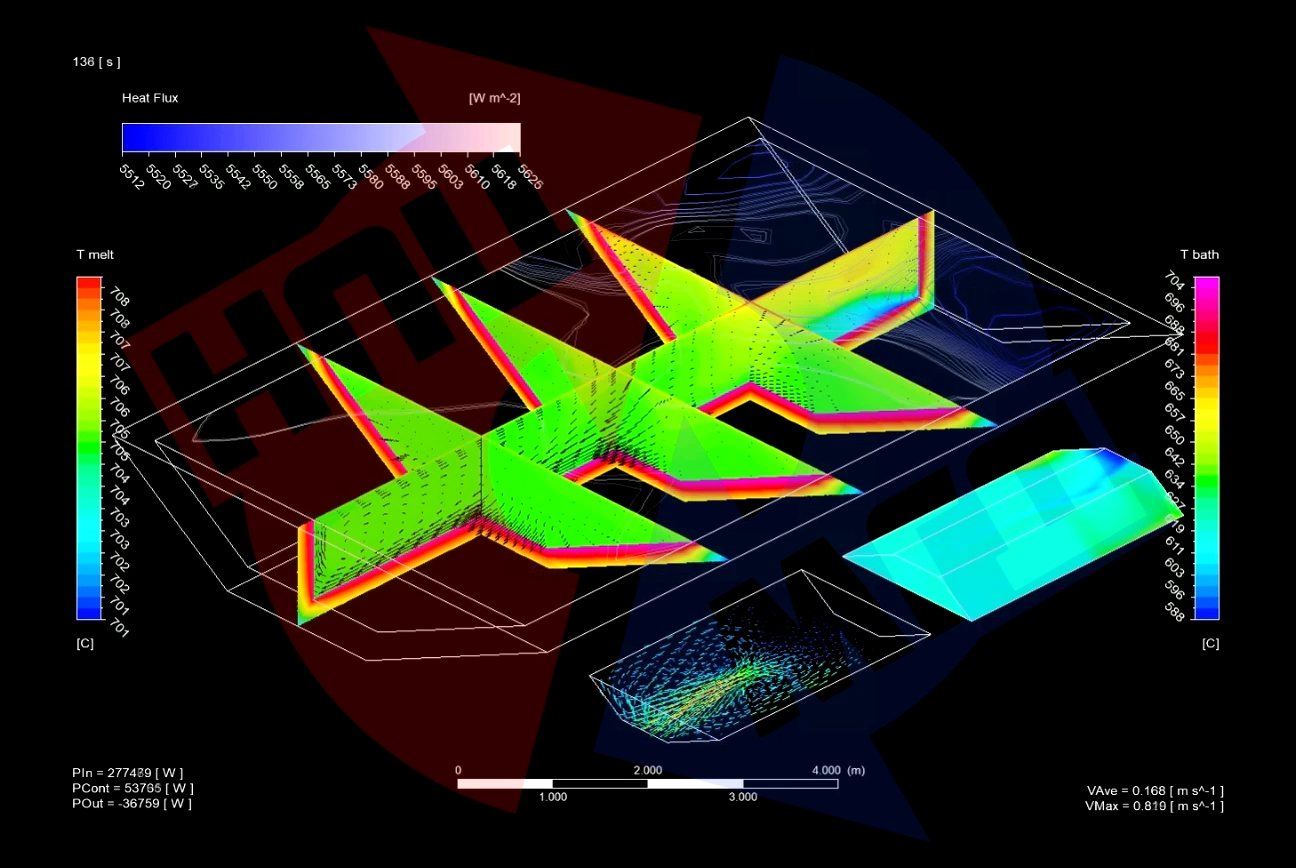
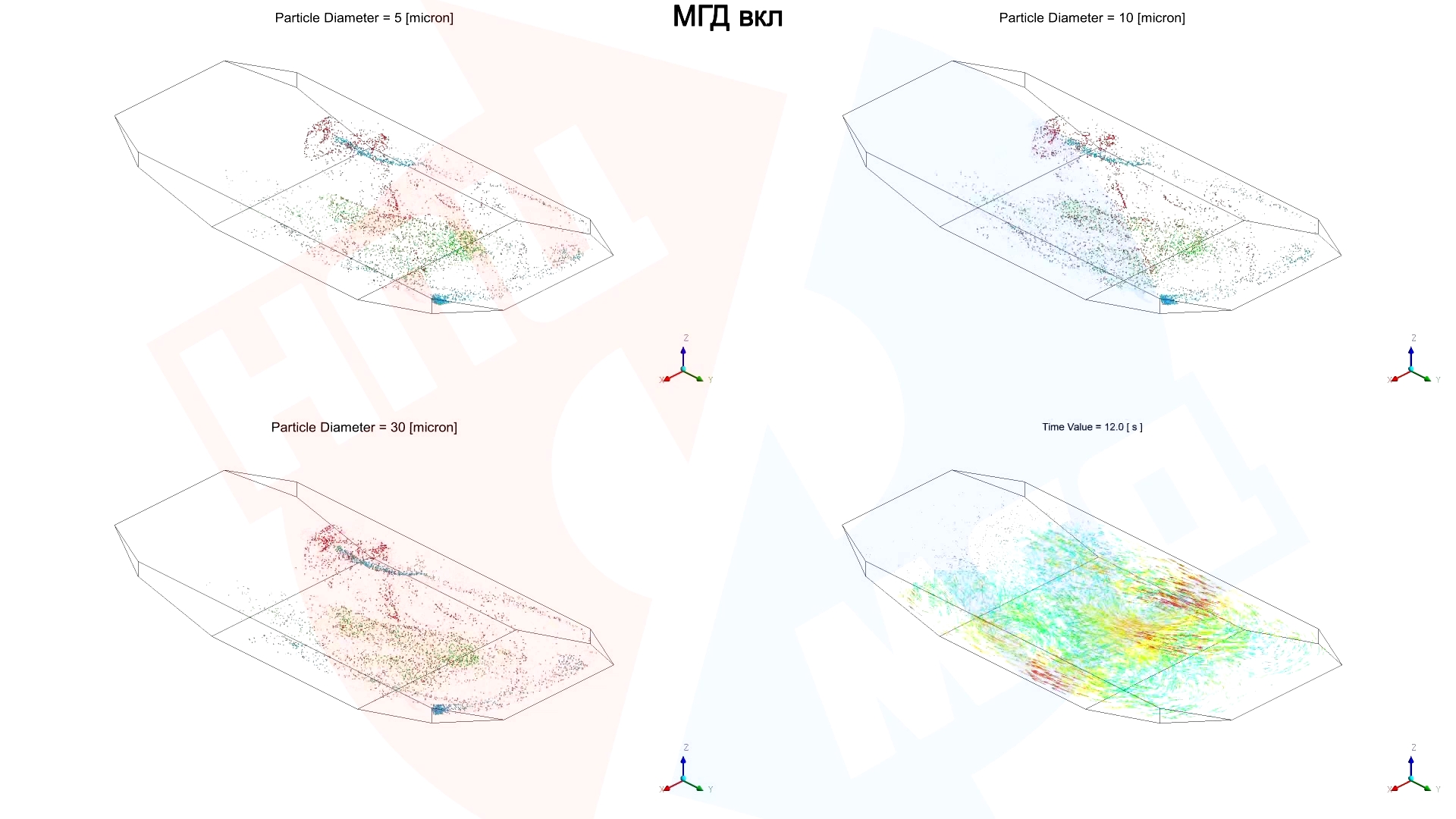
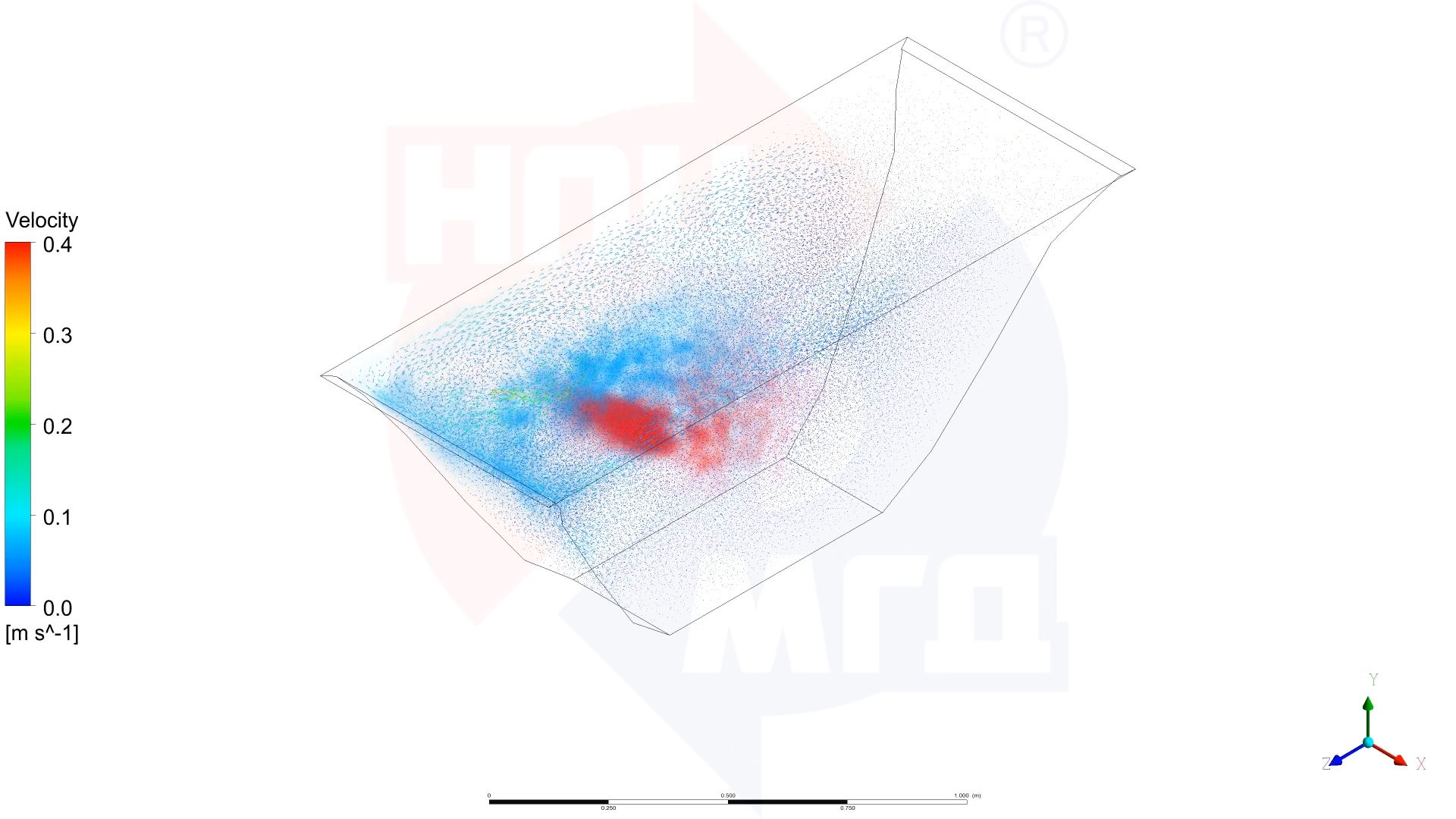
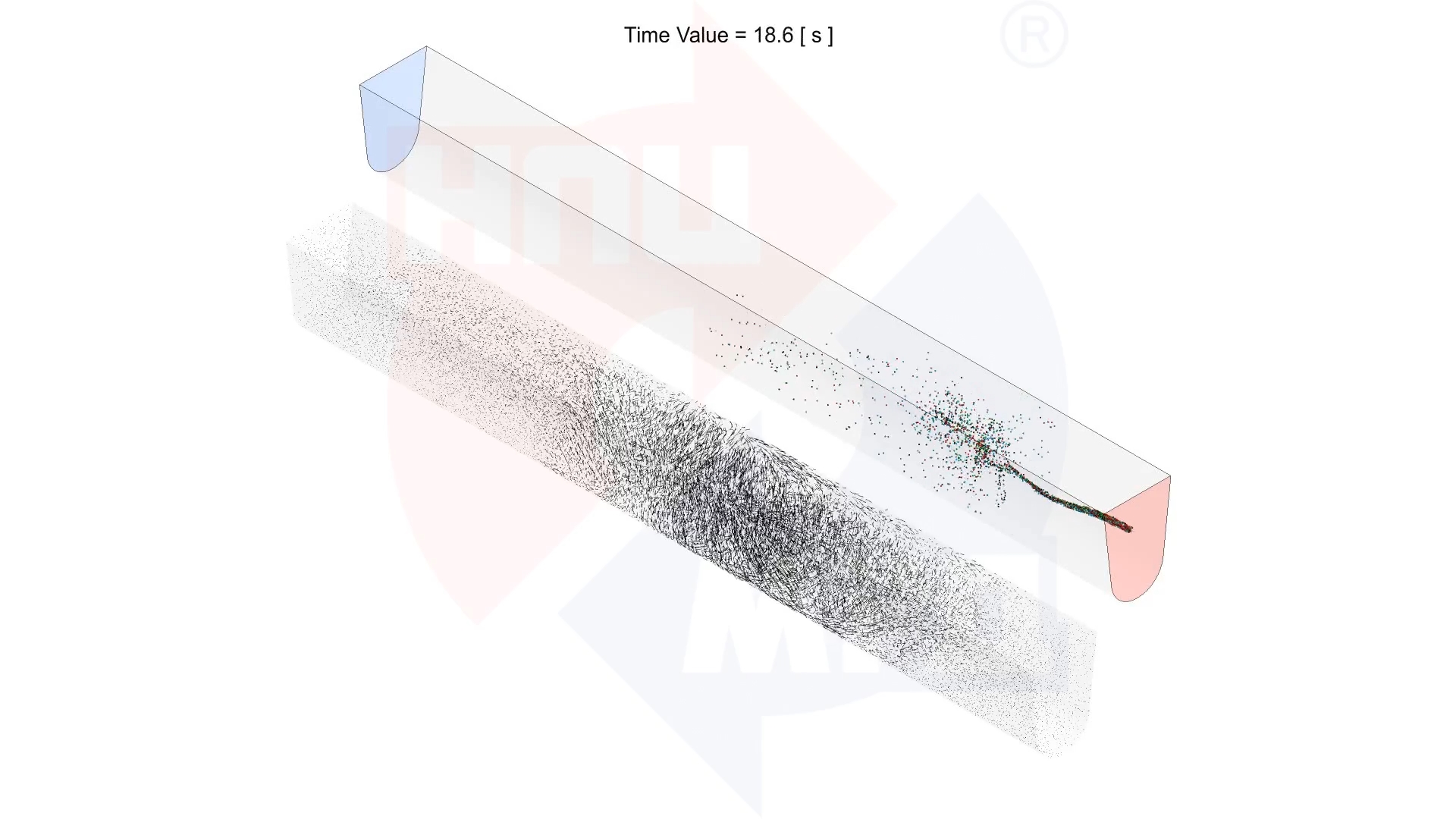
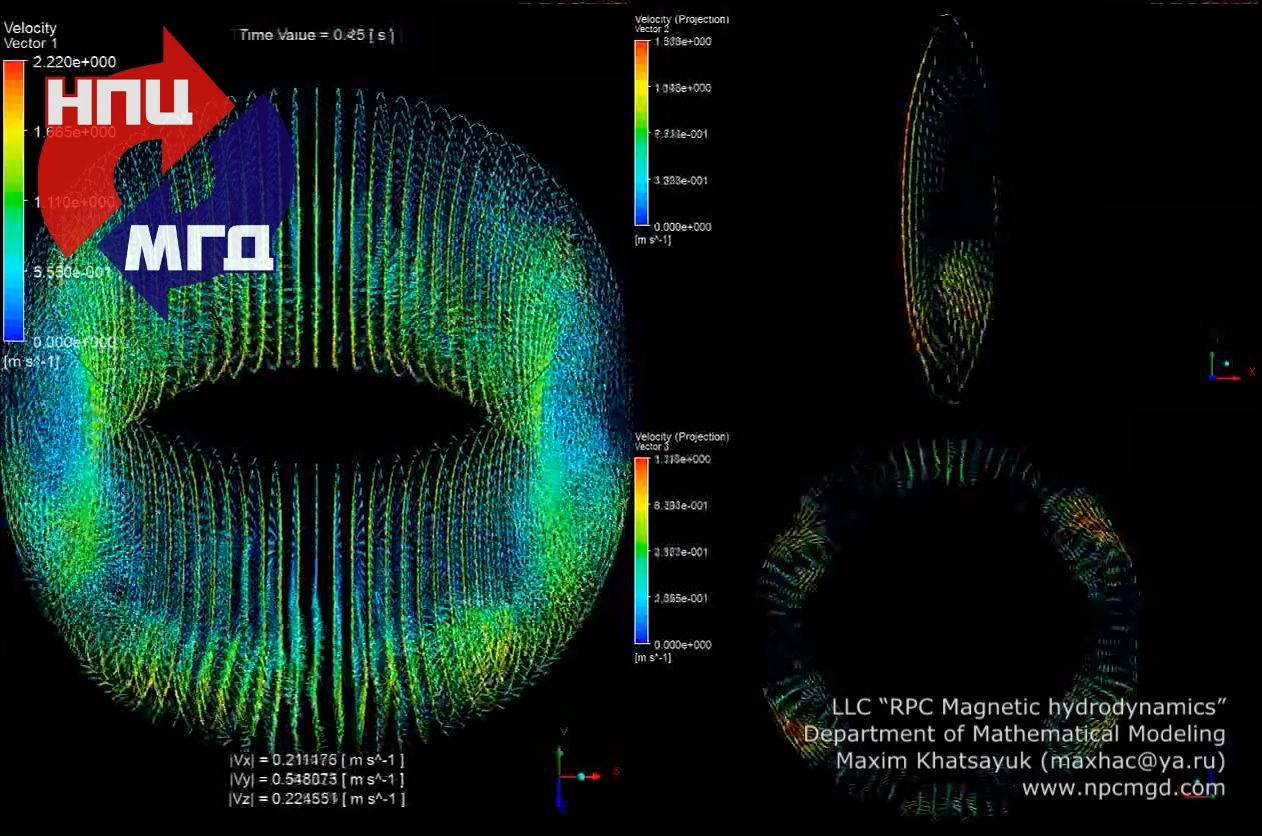
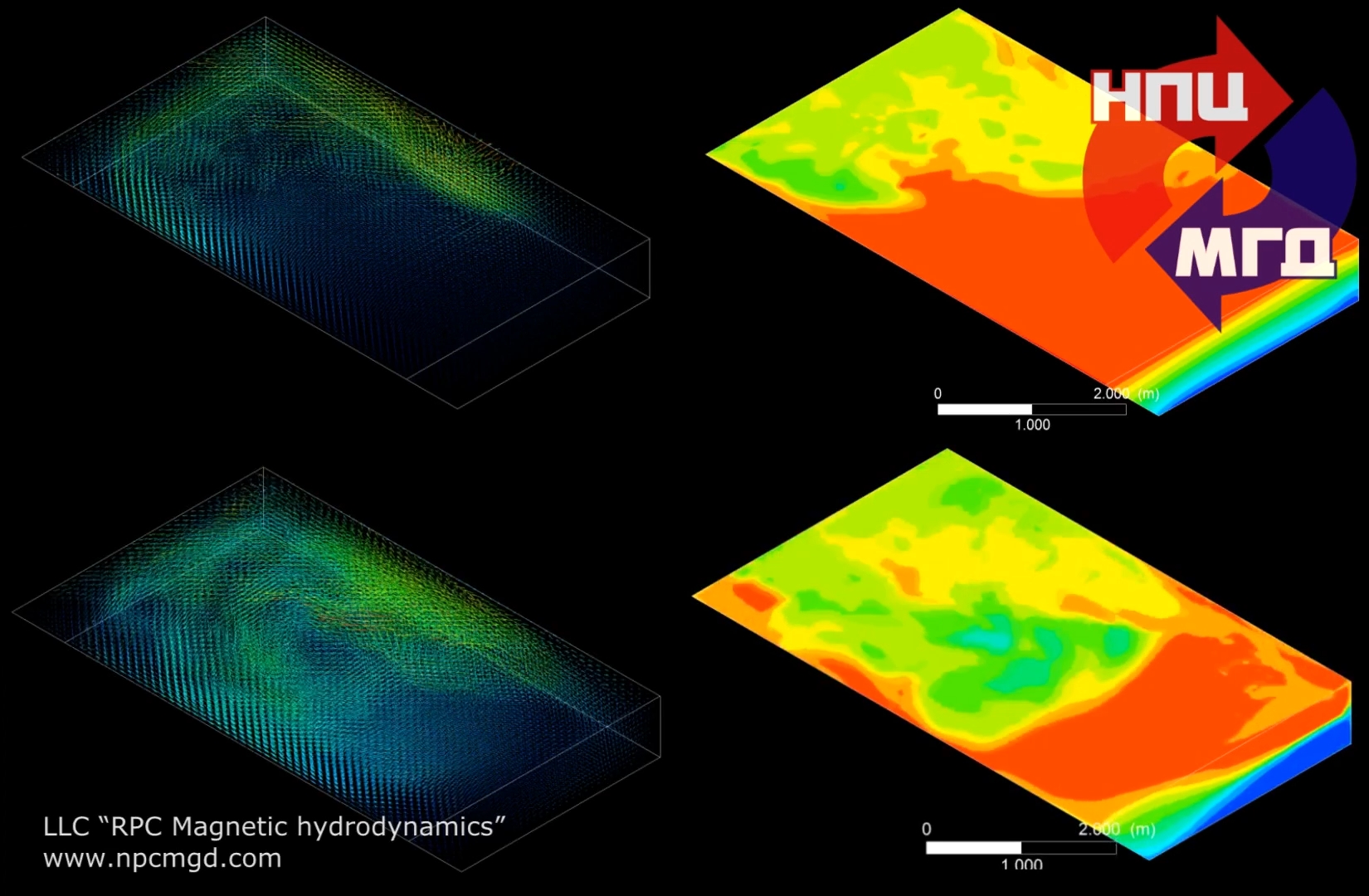
Physical processes computer modeling
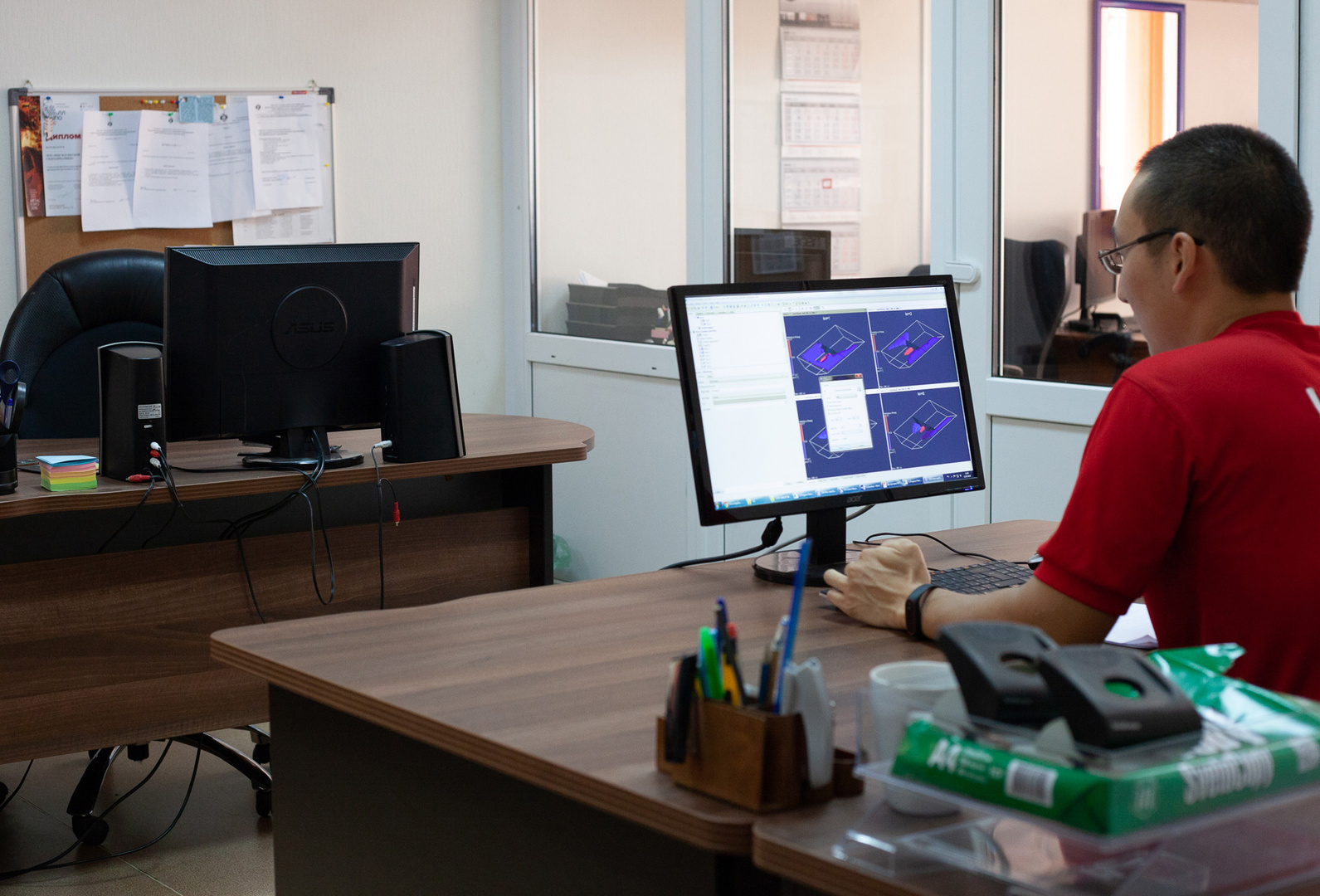
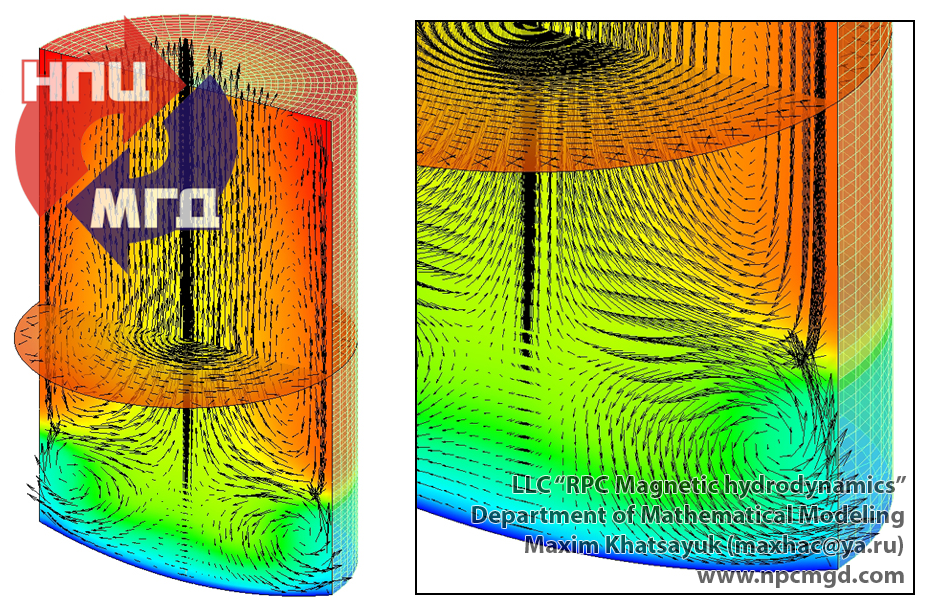
"In metallurgy, mathematical modeling is becoming the only research tool, since most metals in the liquid state are characterized by high temperature and chemical aggressiveness, which makes it difficult to study processes and to operate measuring equipment…"
Activity areas
- Electromagnetism
- Thermodynamics
- Fluid Dynamics
- Dynamics and Strength
- Electrical Engineering and Electronics
- Software Development
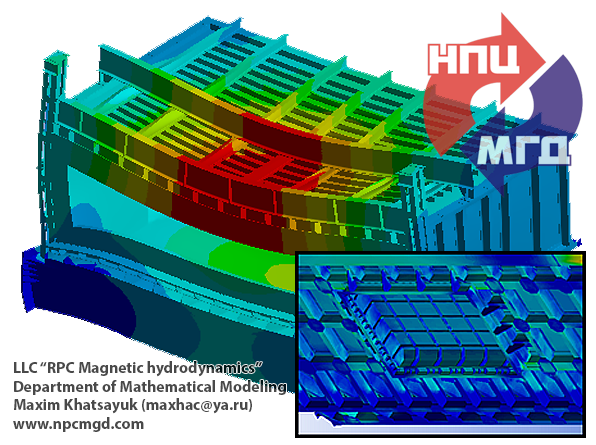
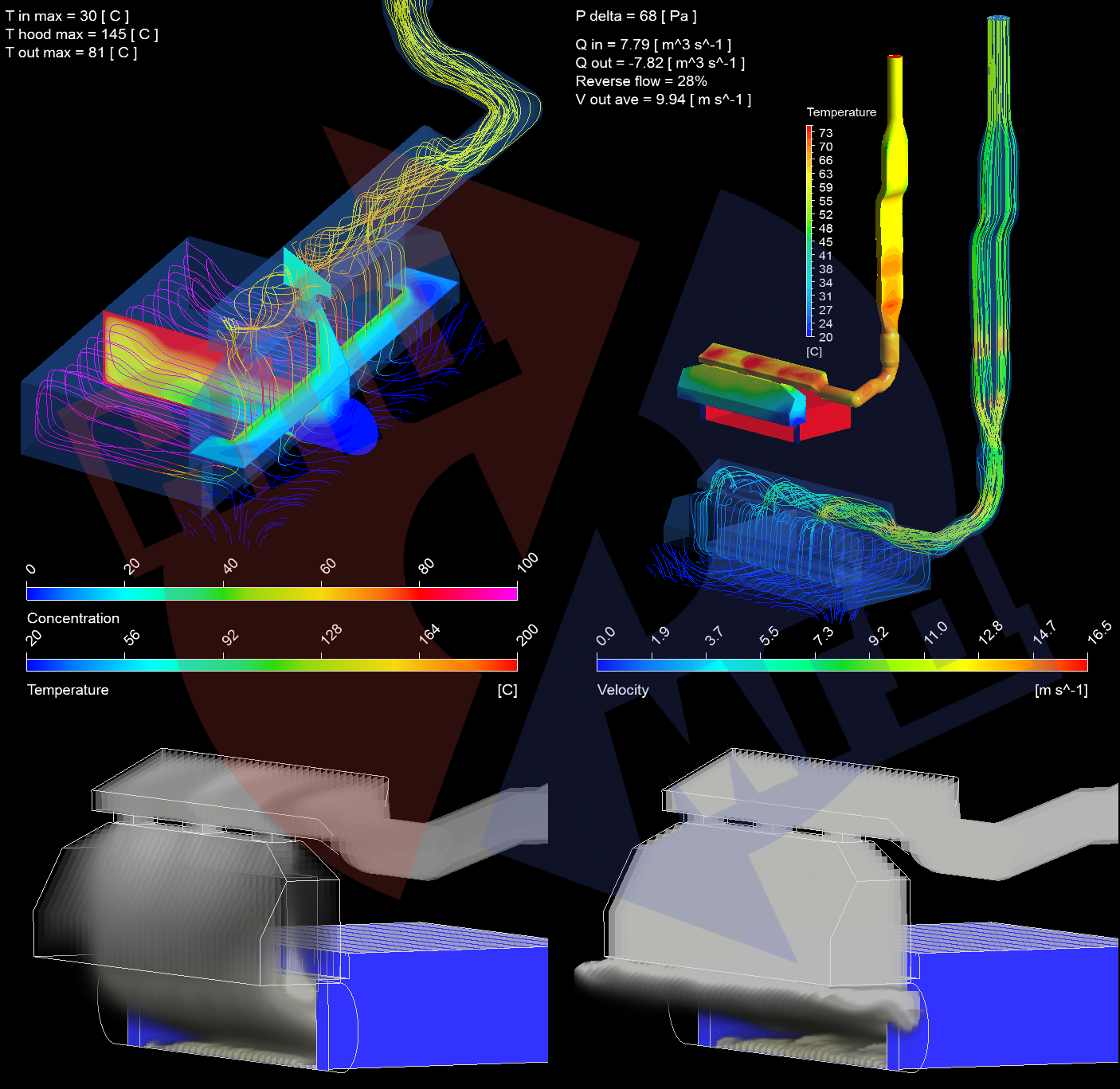
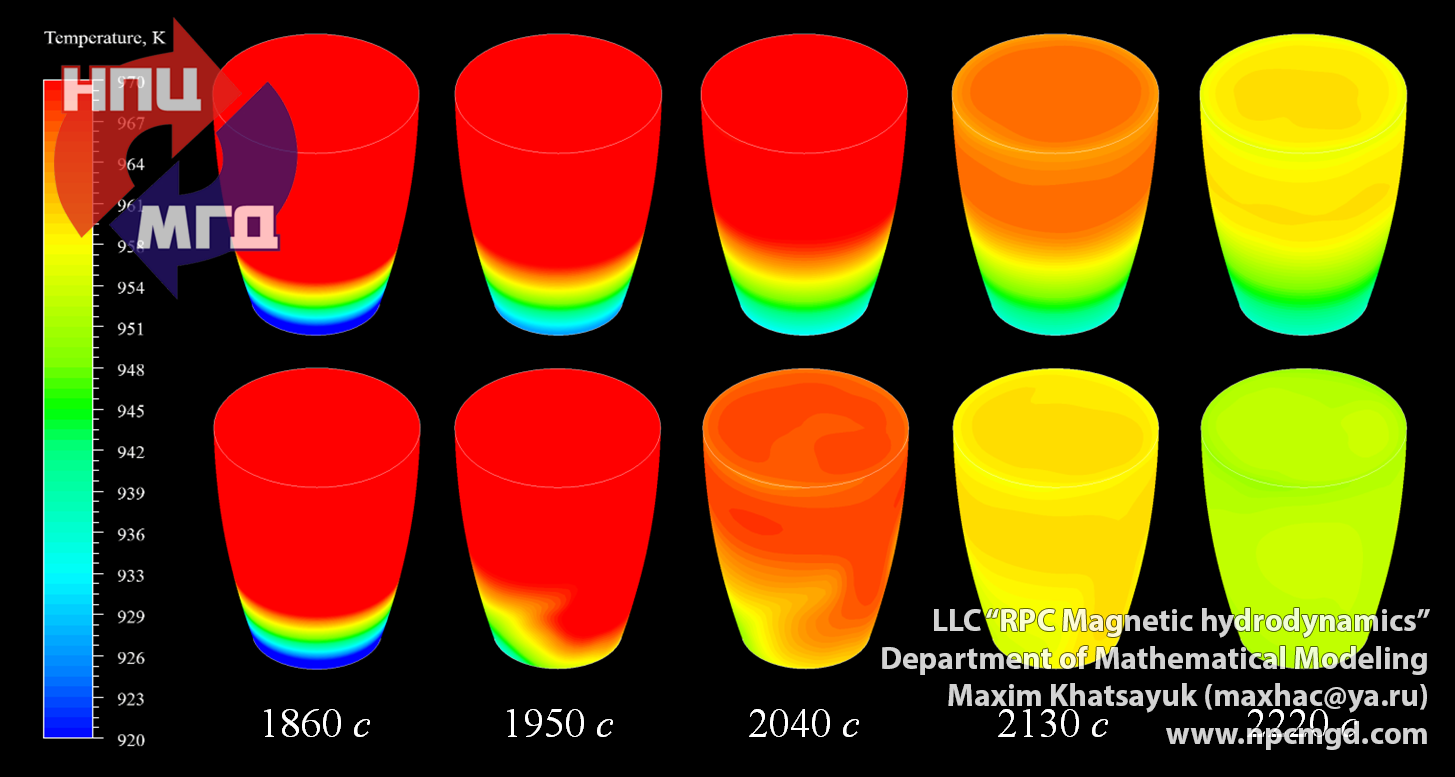

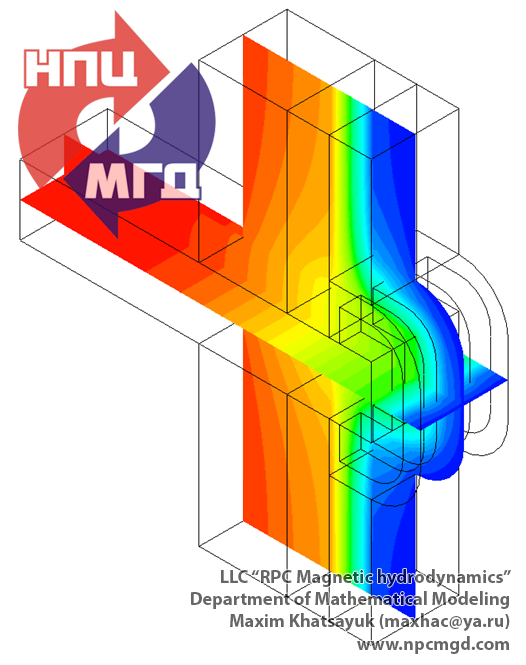

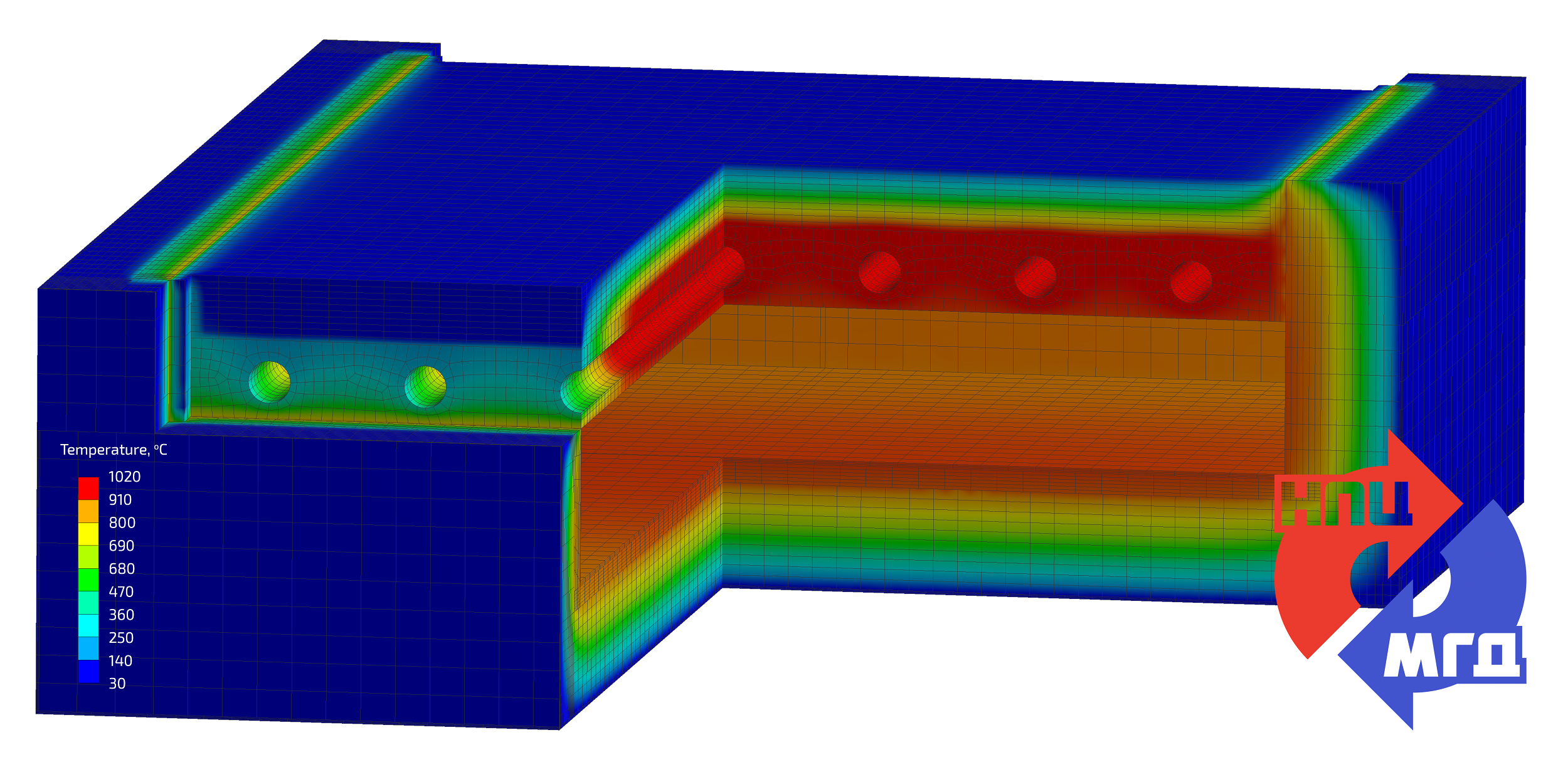
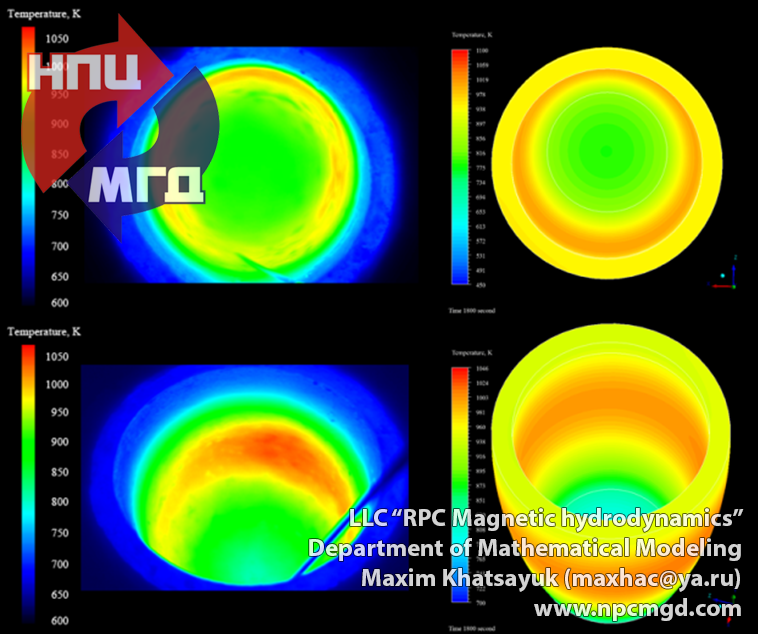
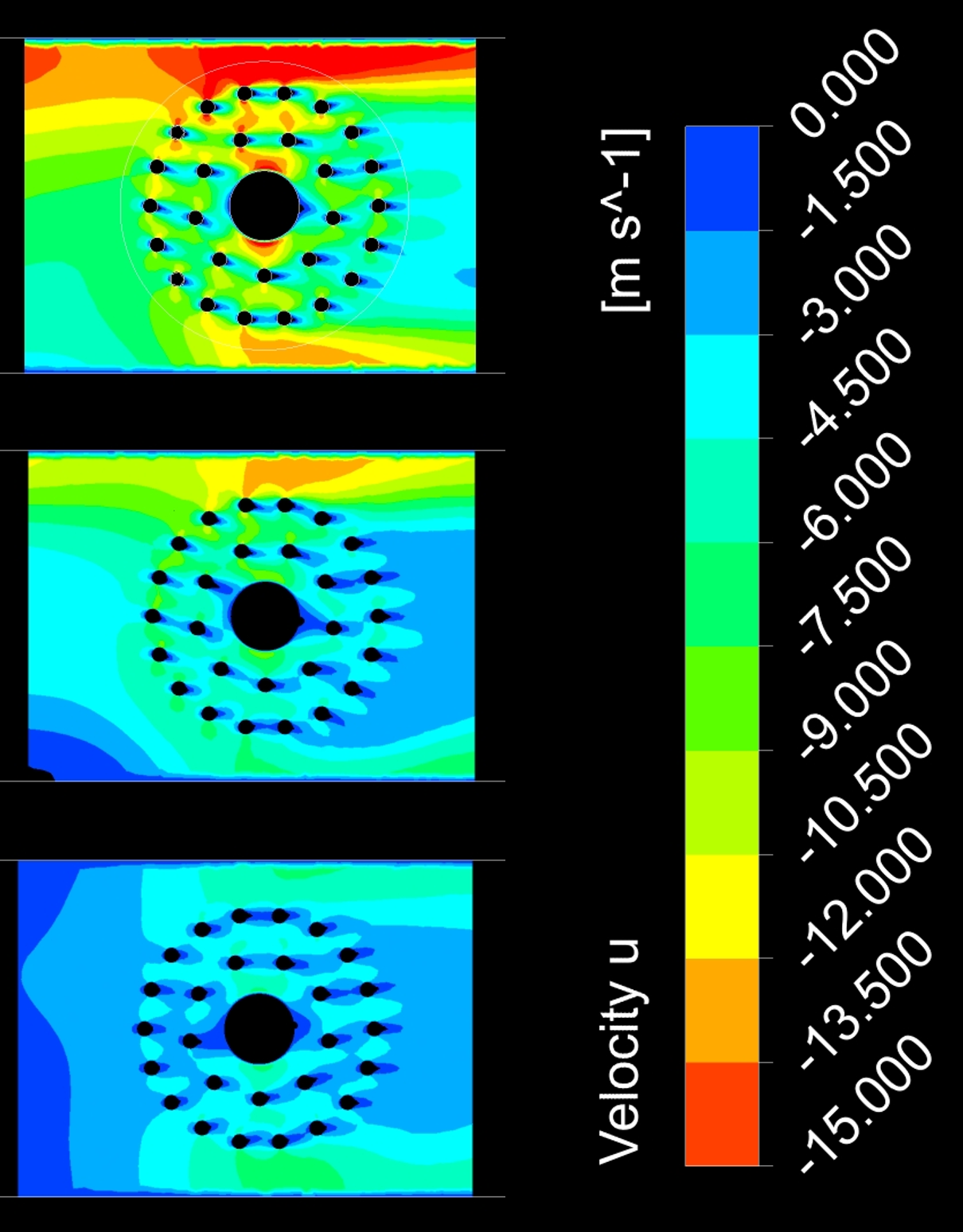


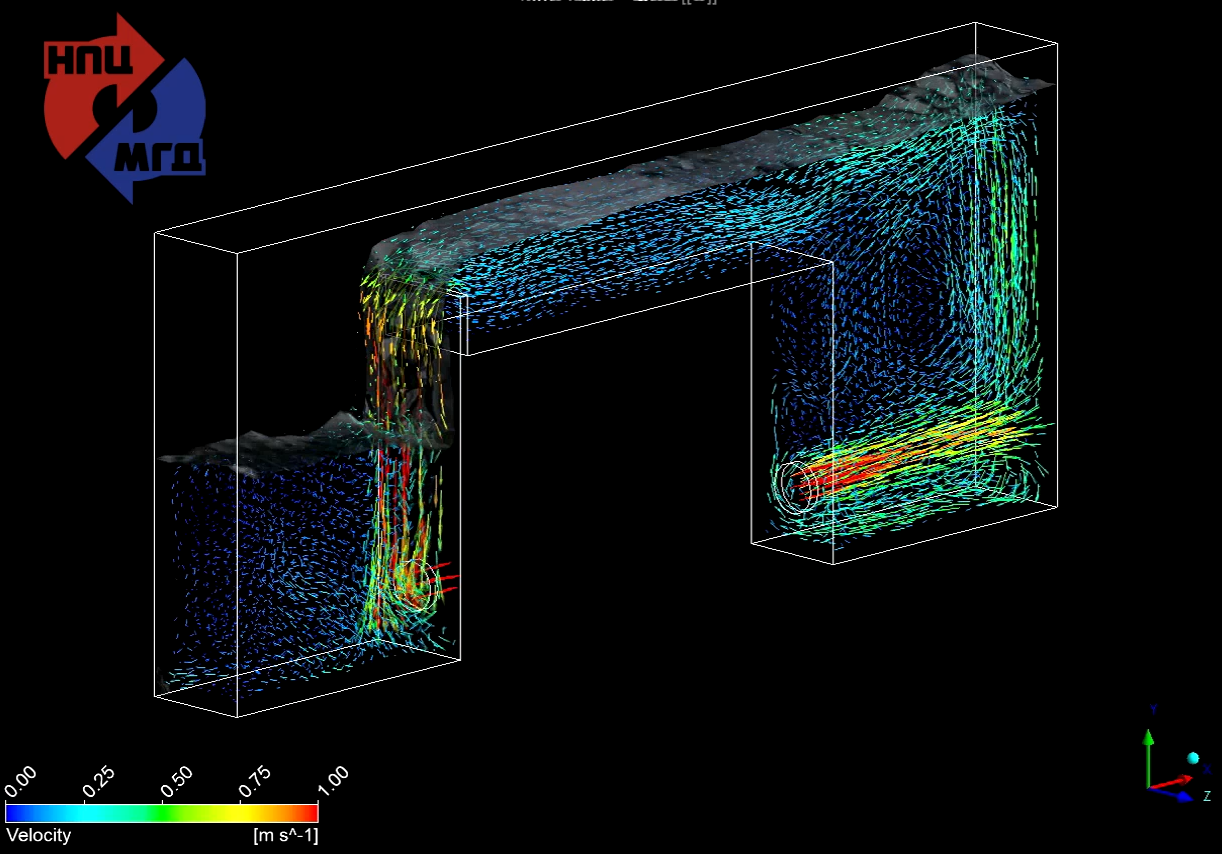

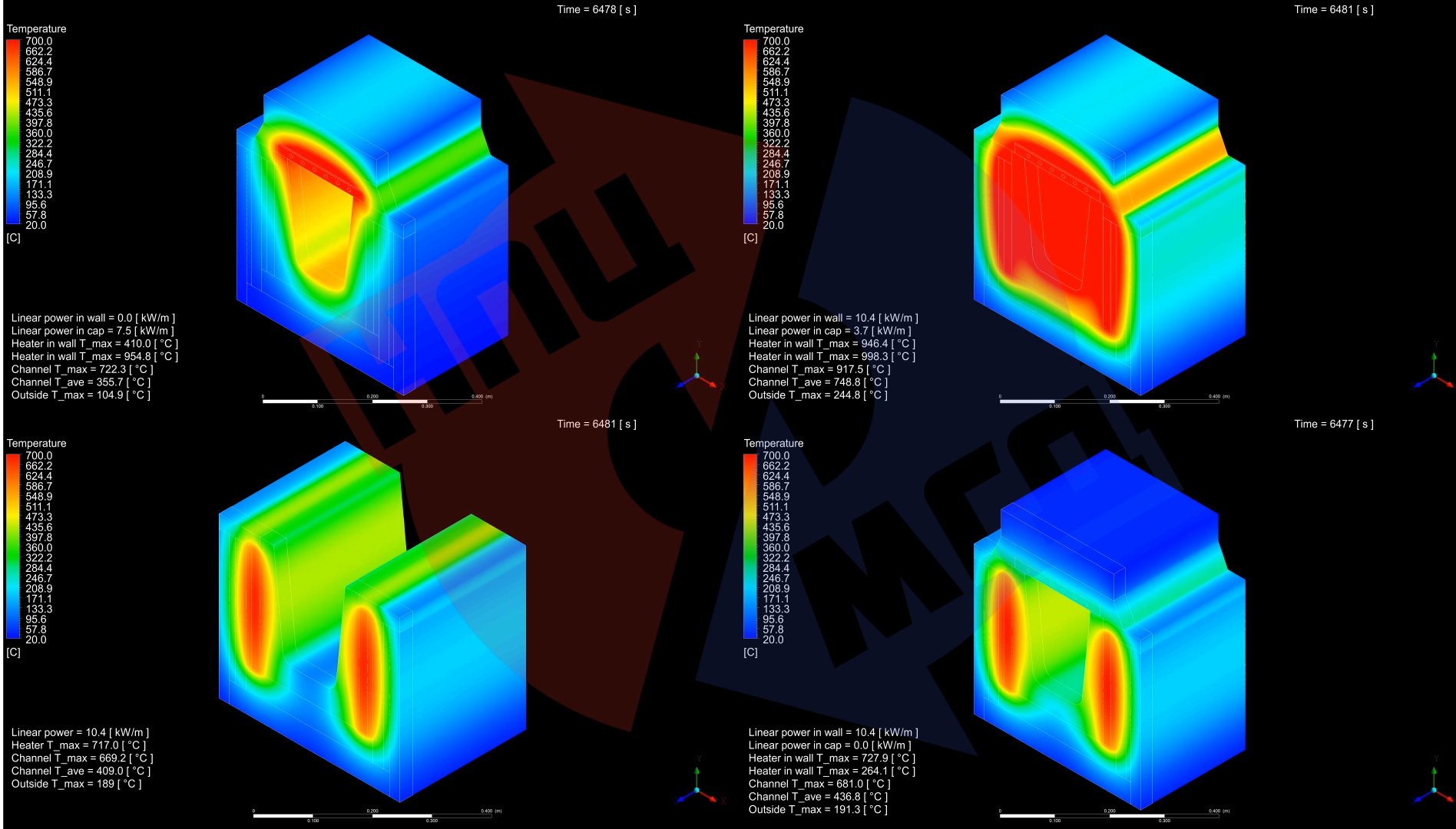

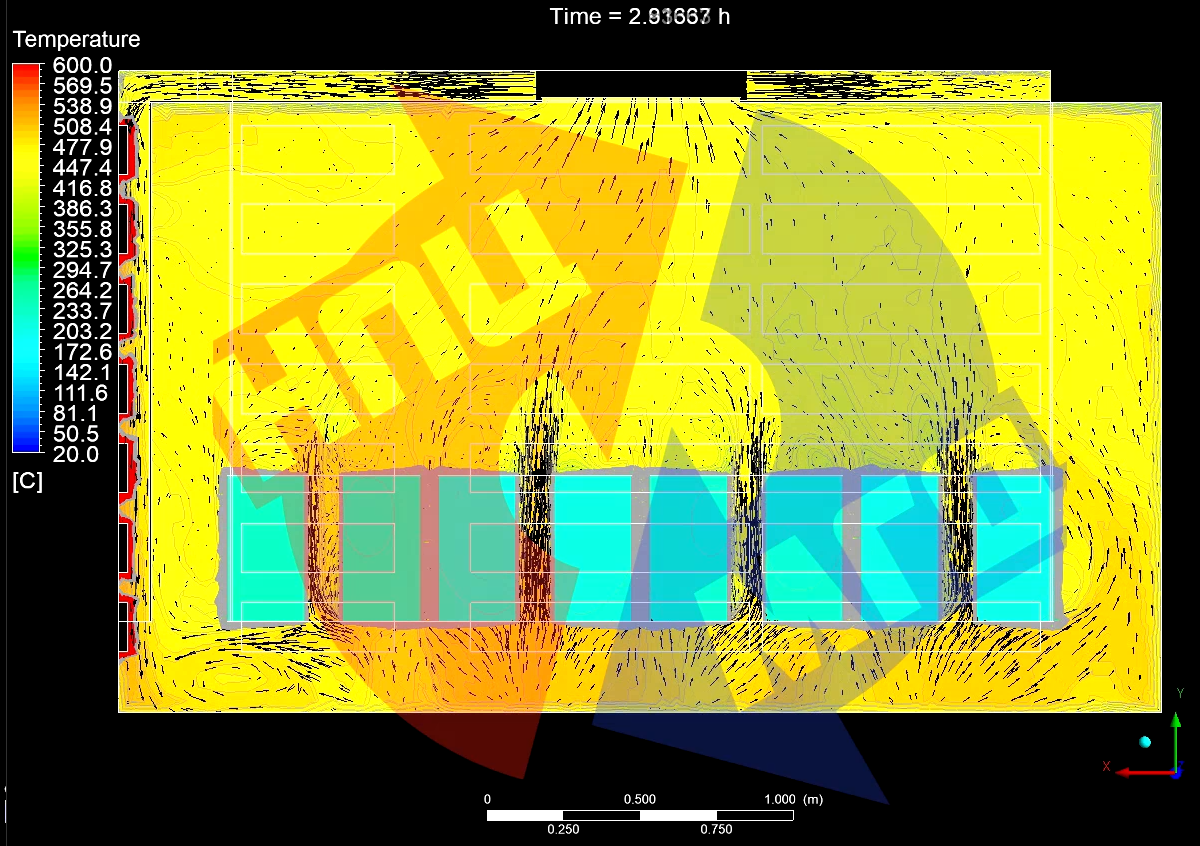


Special-purpose models
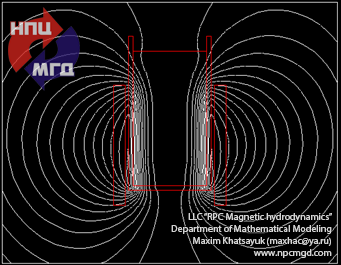
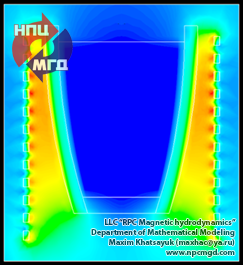
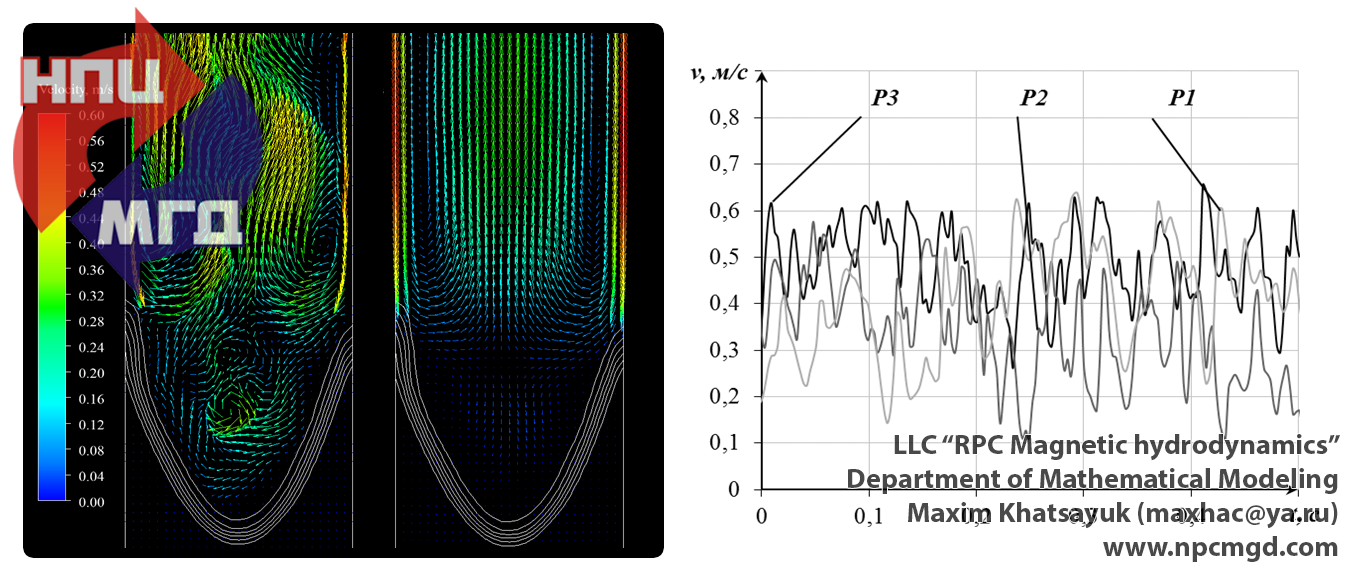
- MHD phenomena
- Crystallization and melting processes
- Multiphase processes.
- Free surface problems
- Particle transport
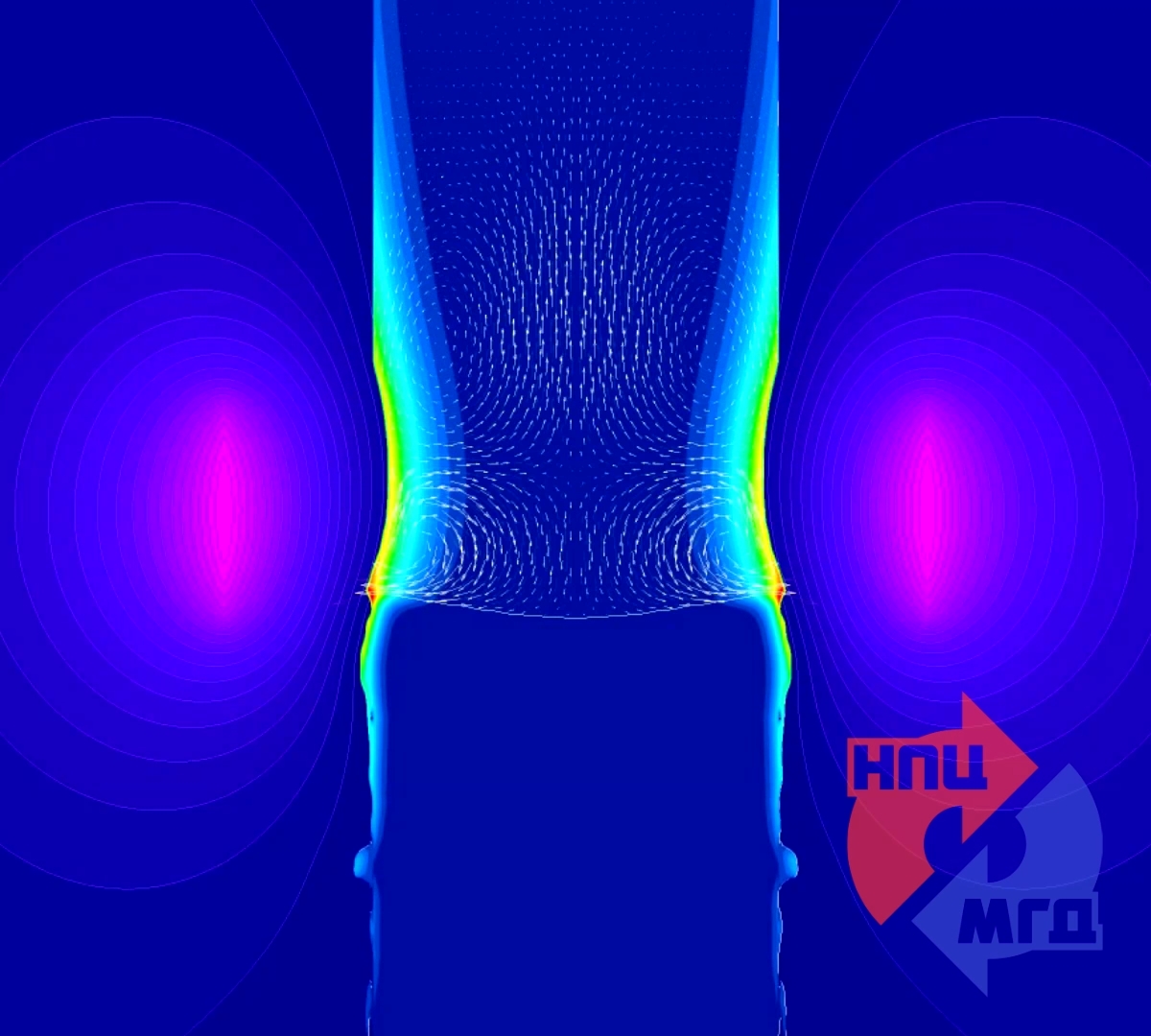
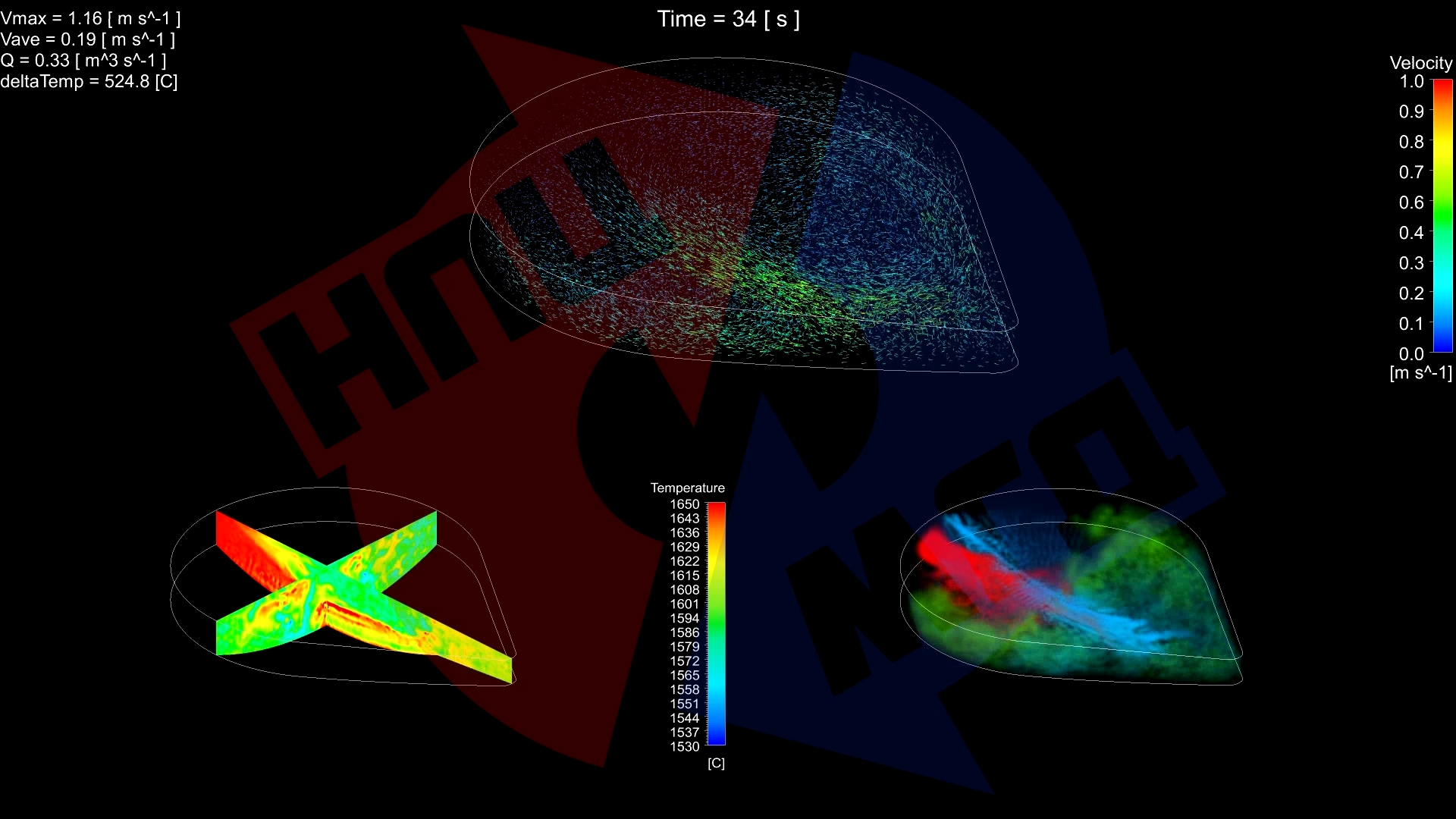
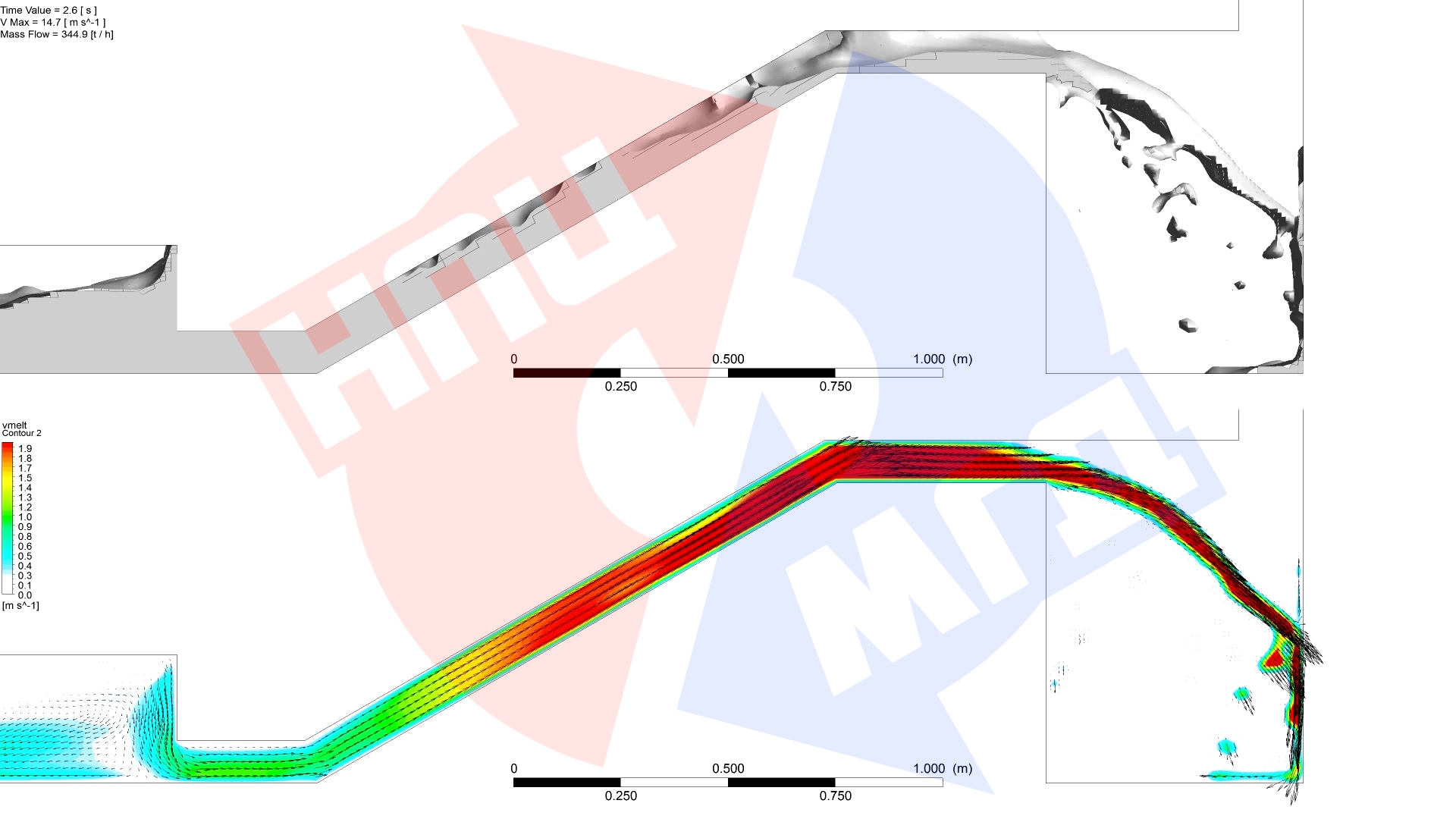
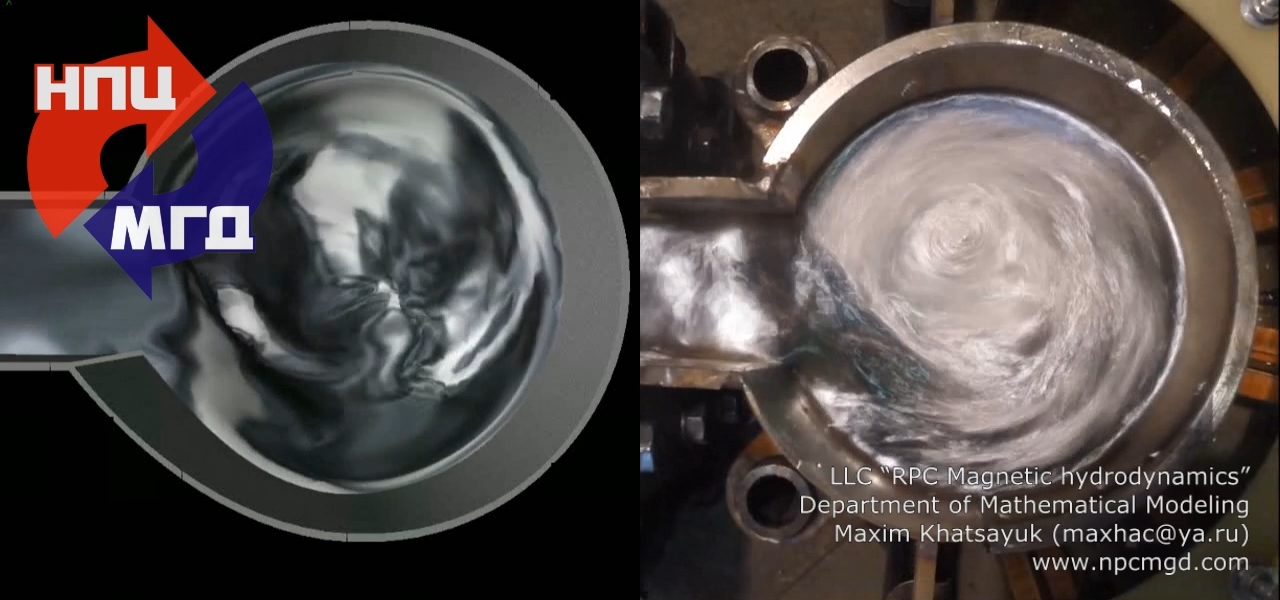

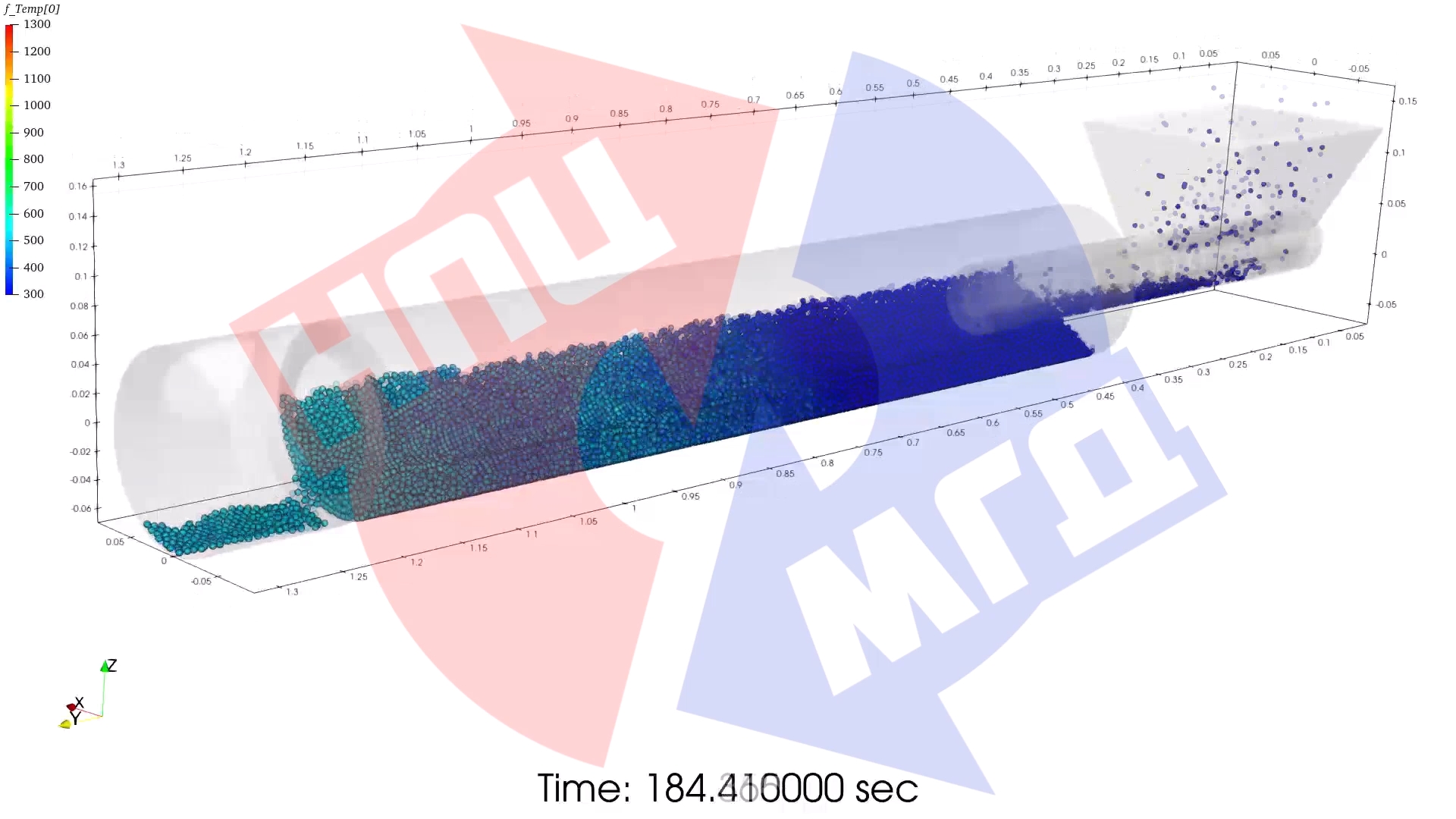





Сomputational methods and techniques
Physical modeling and prototyping
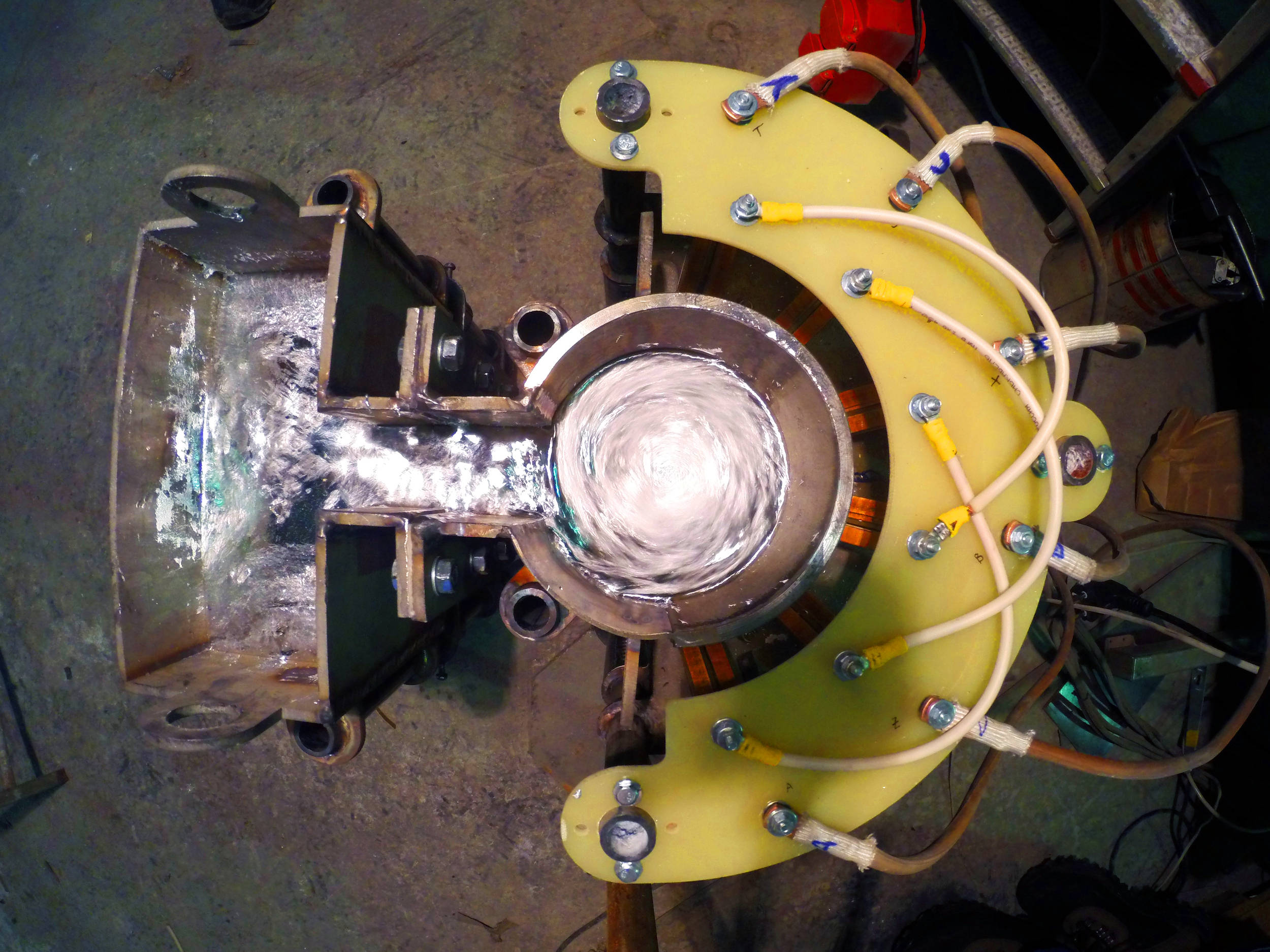
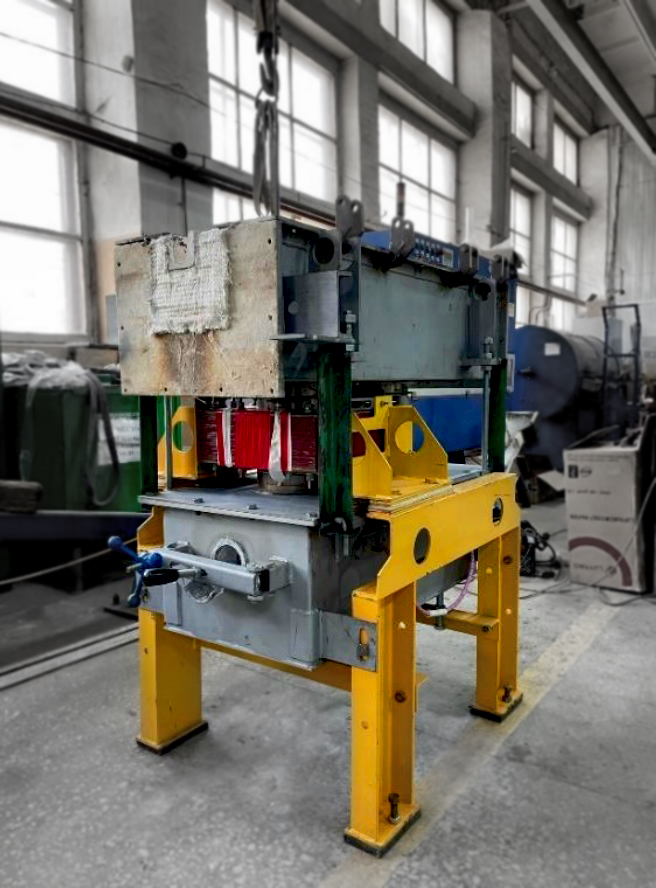
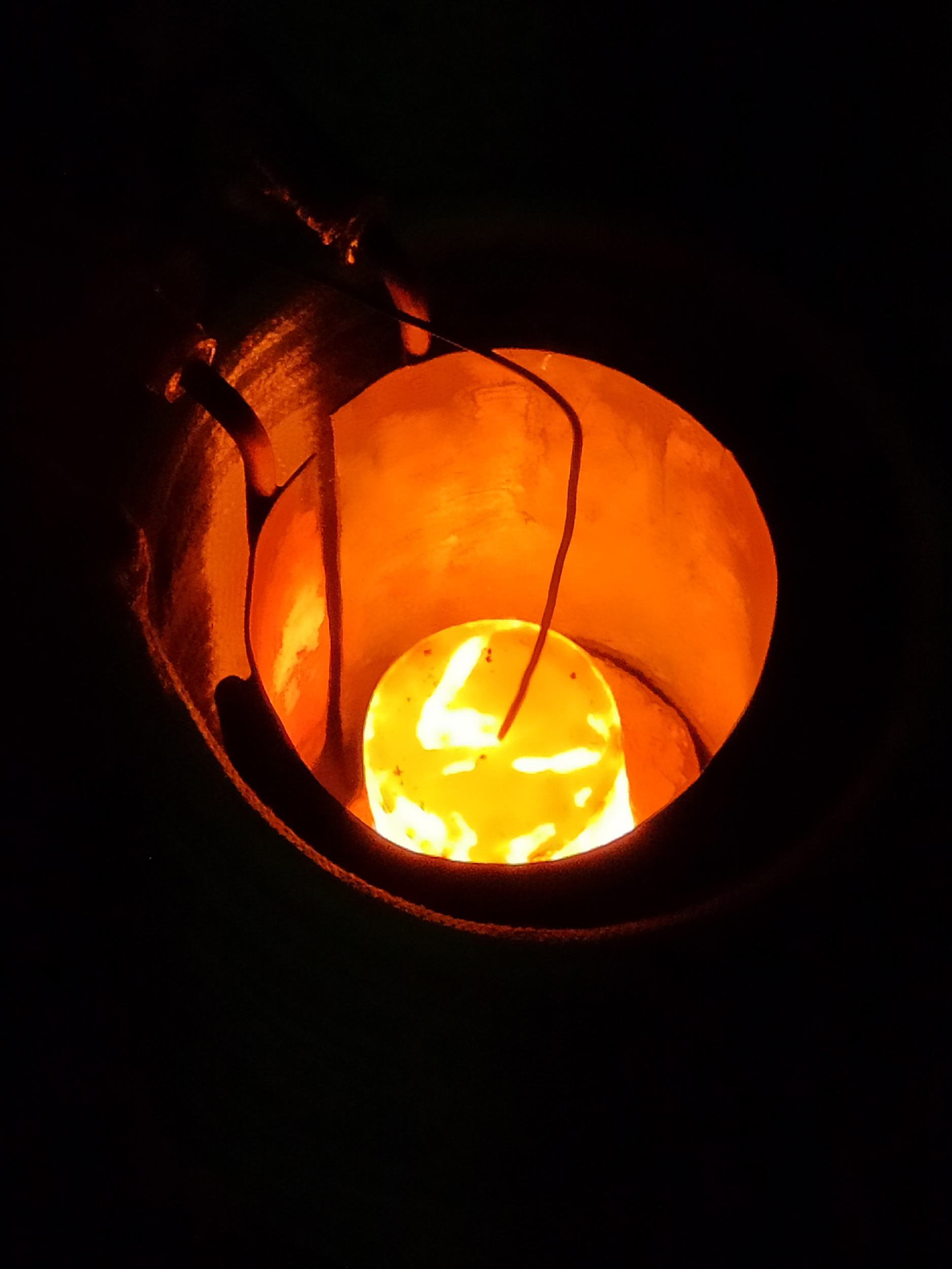
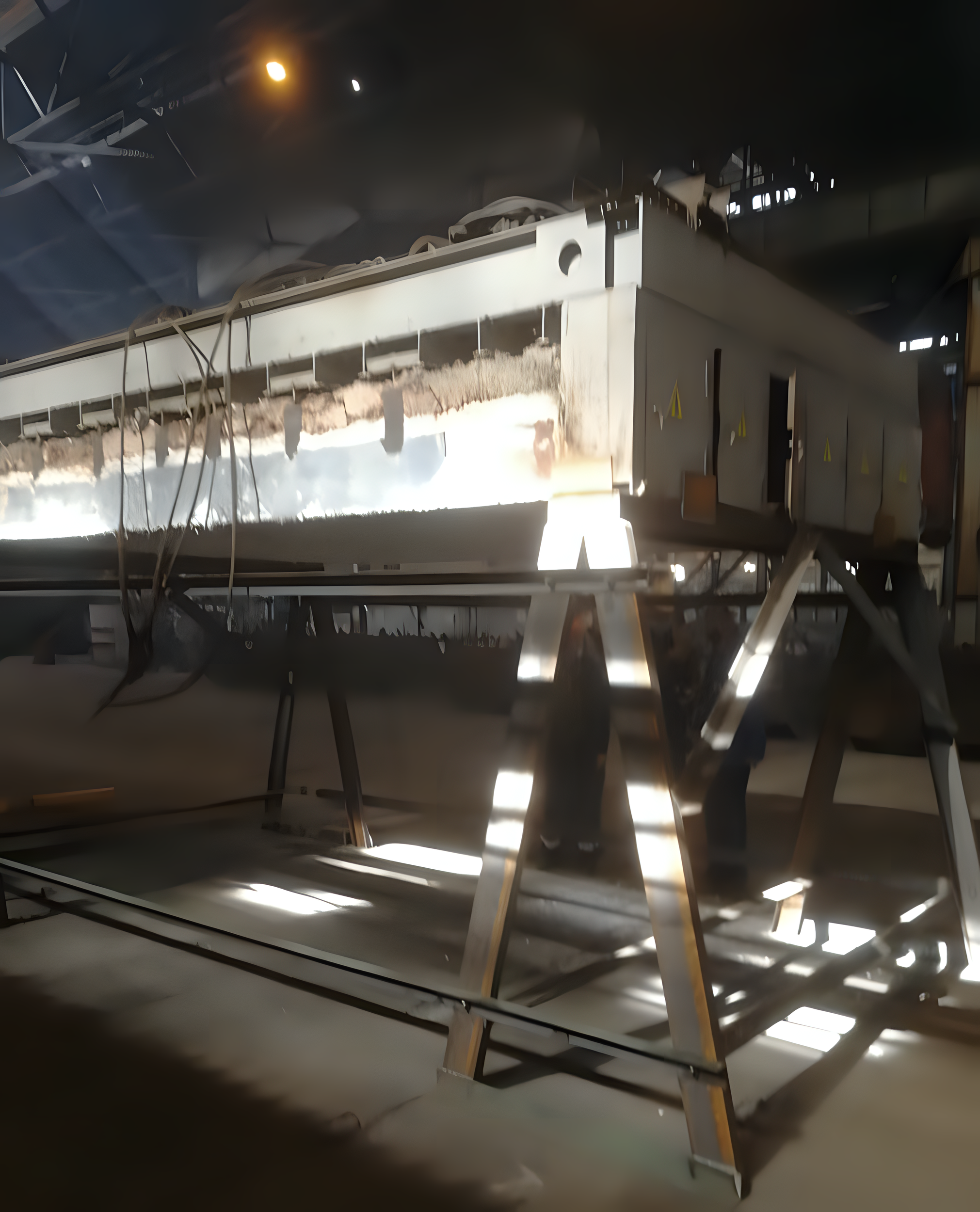
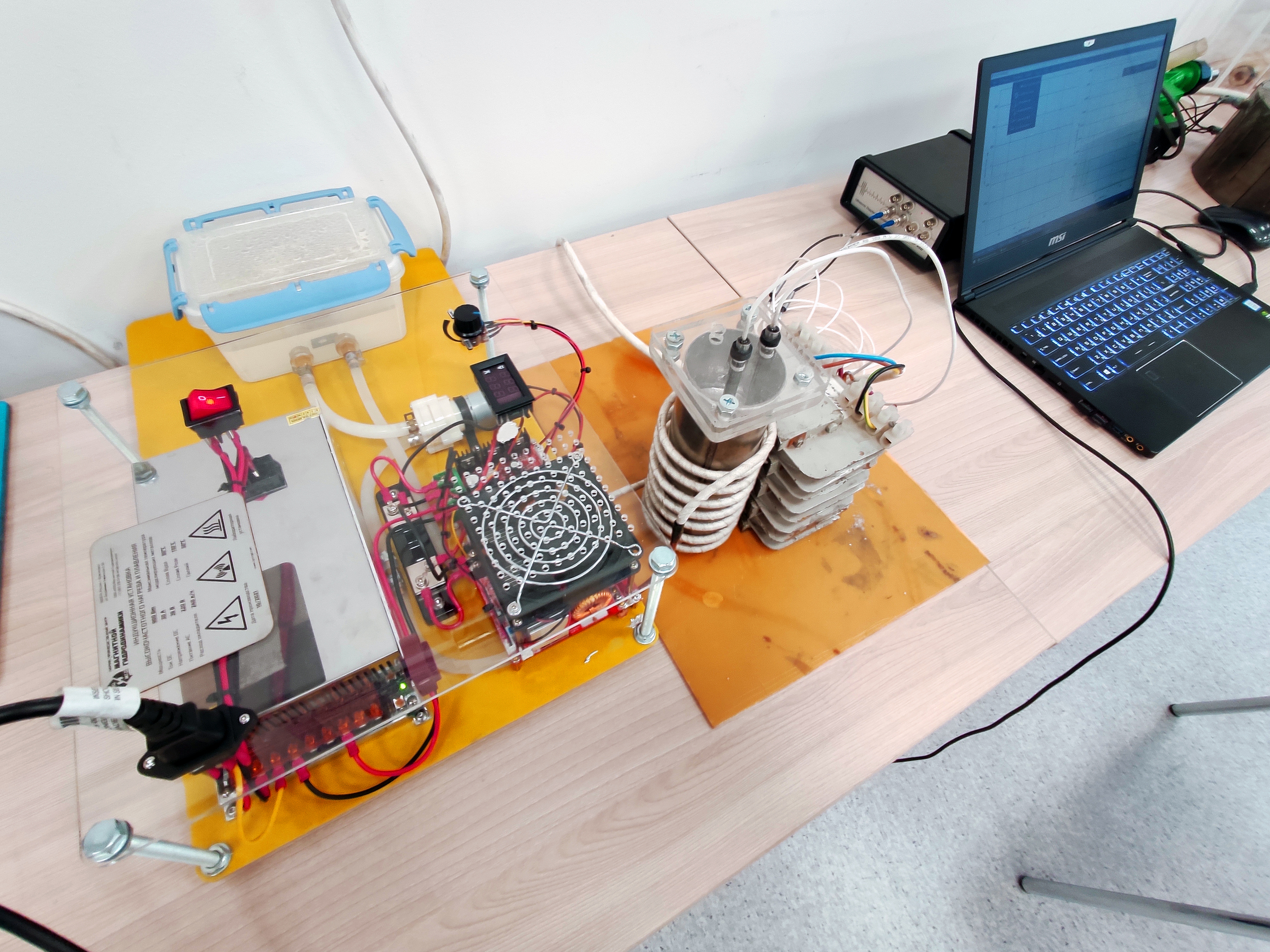
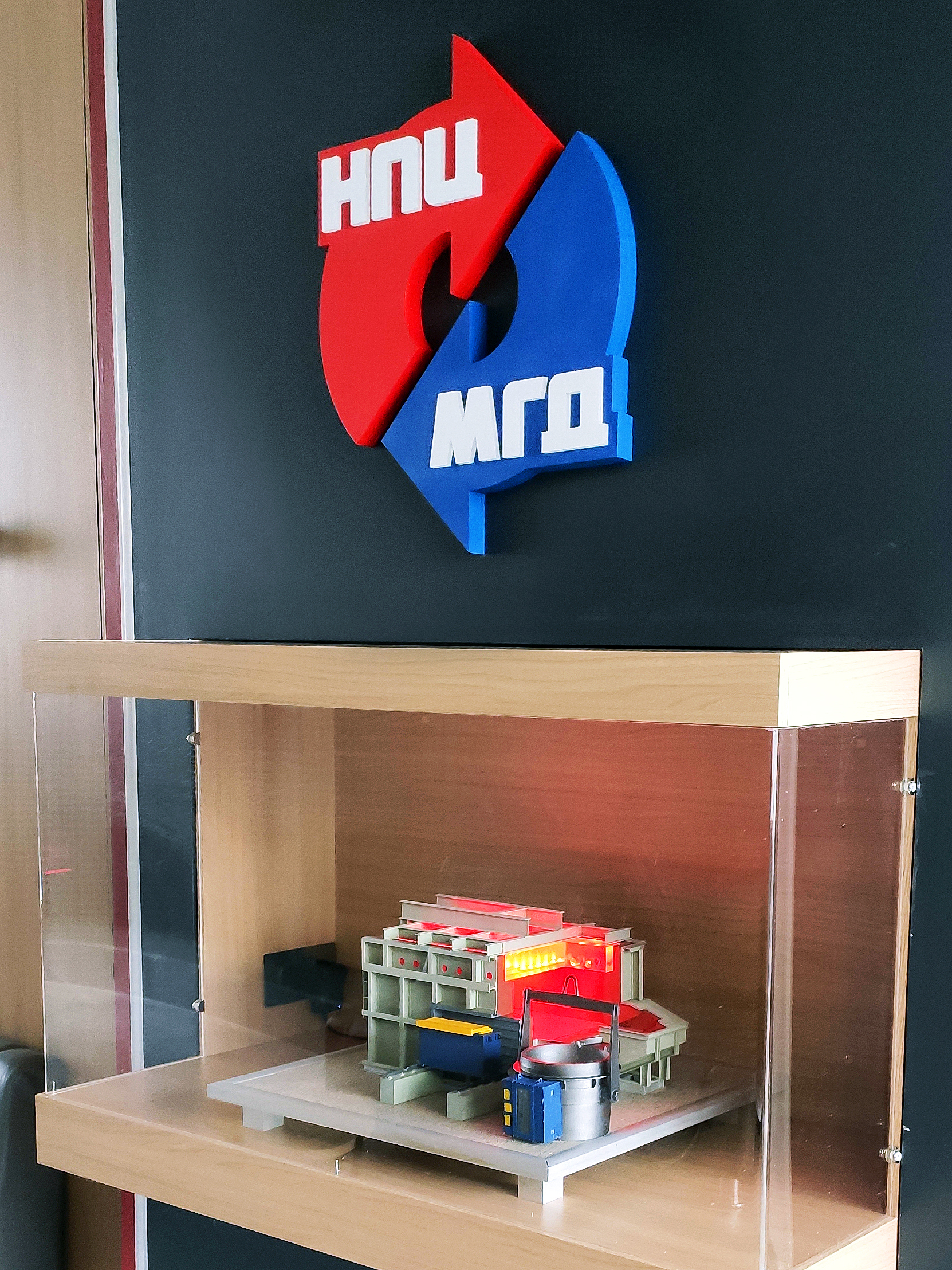
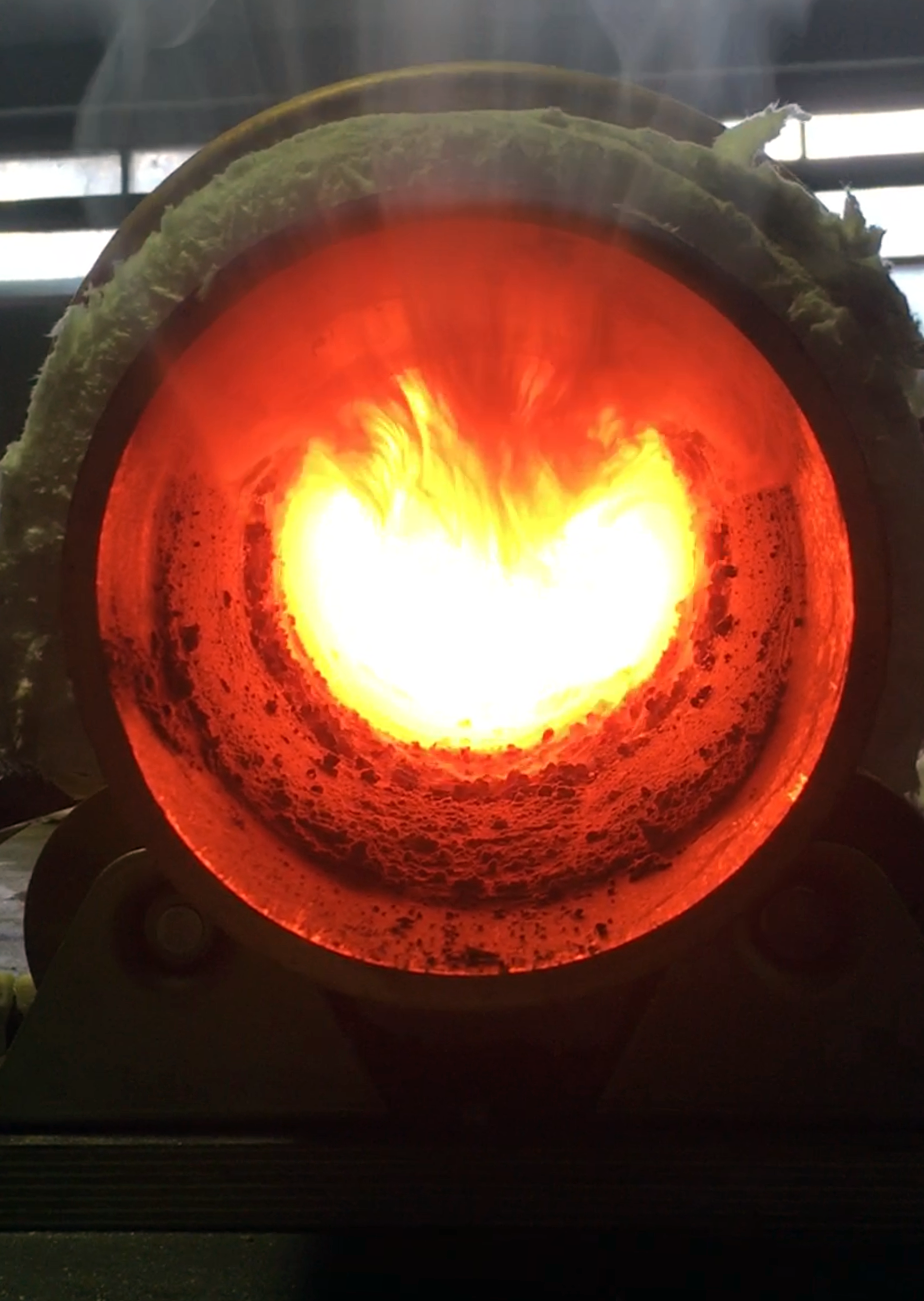
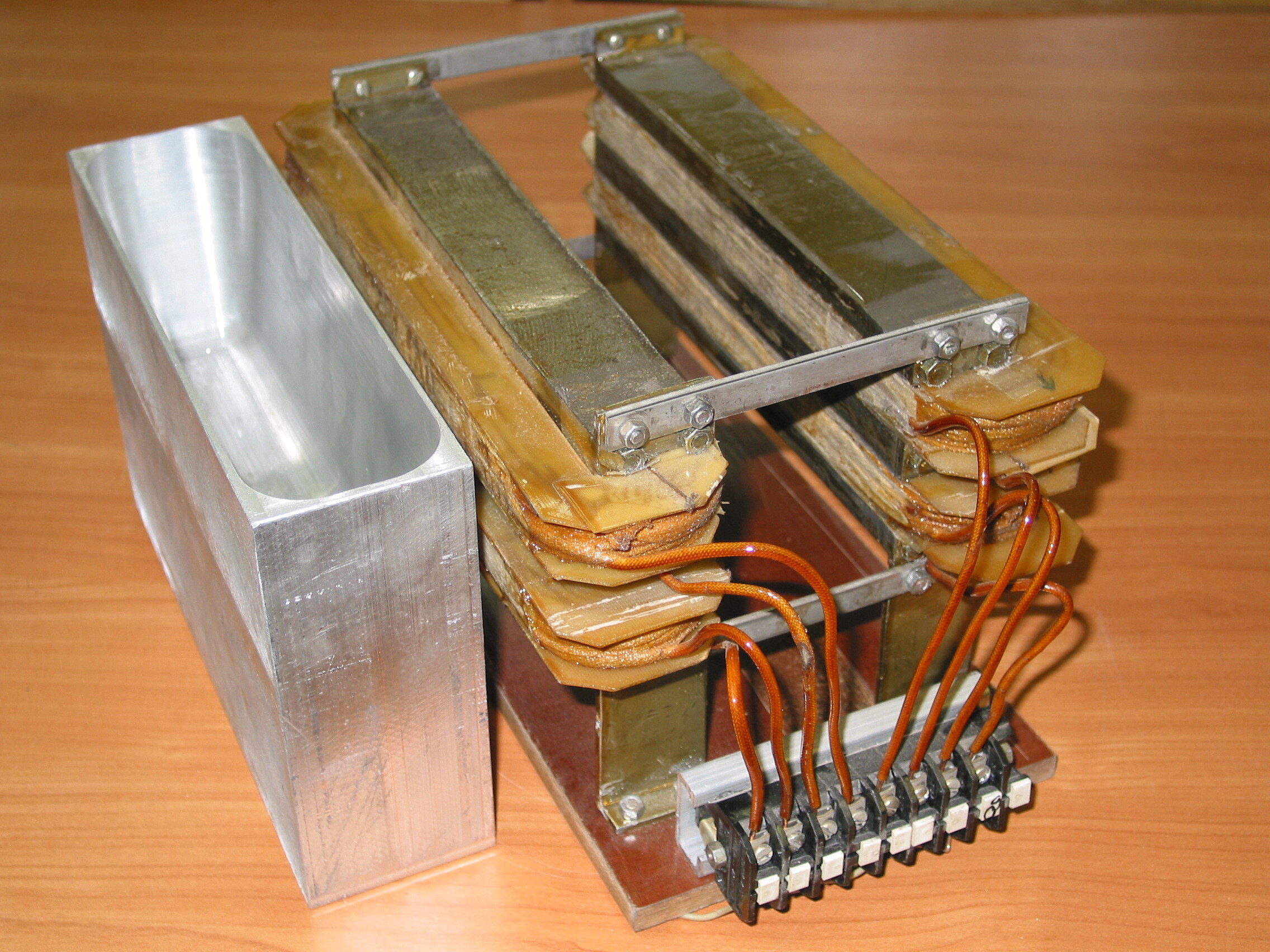
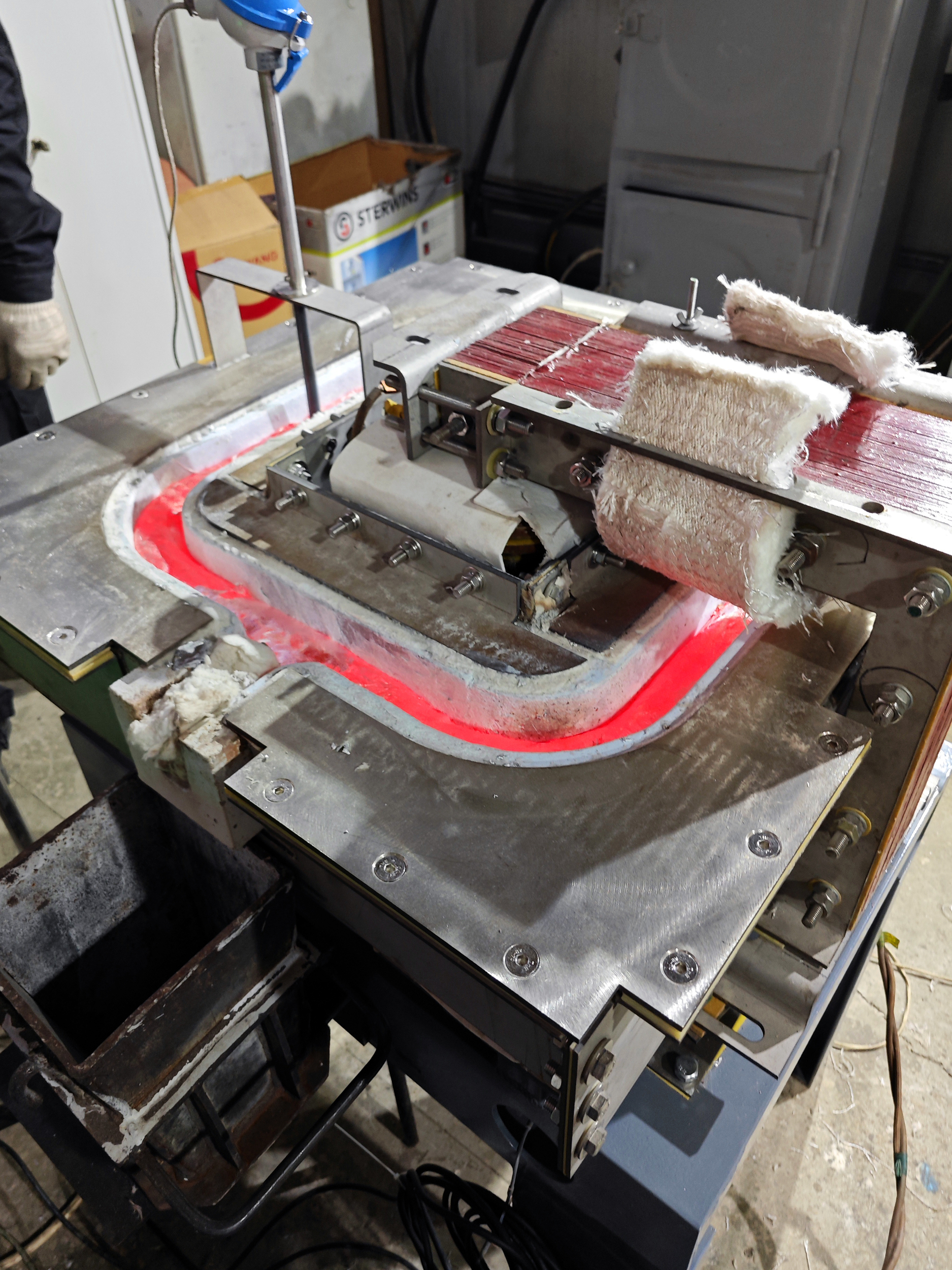
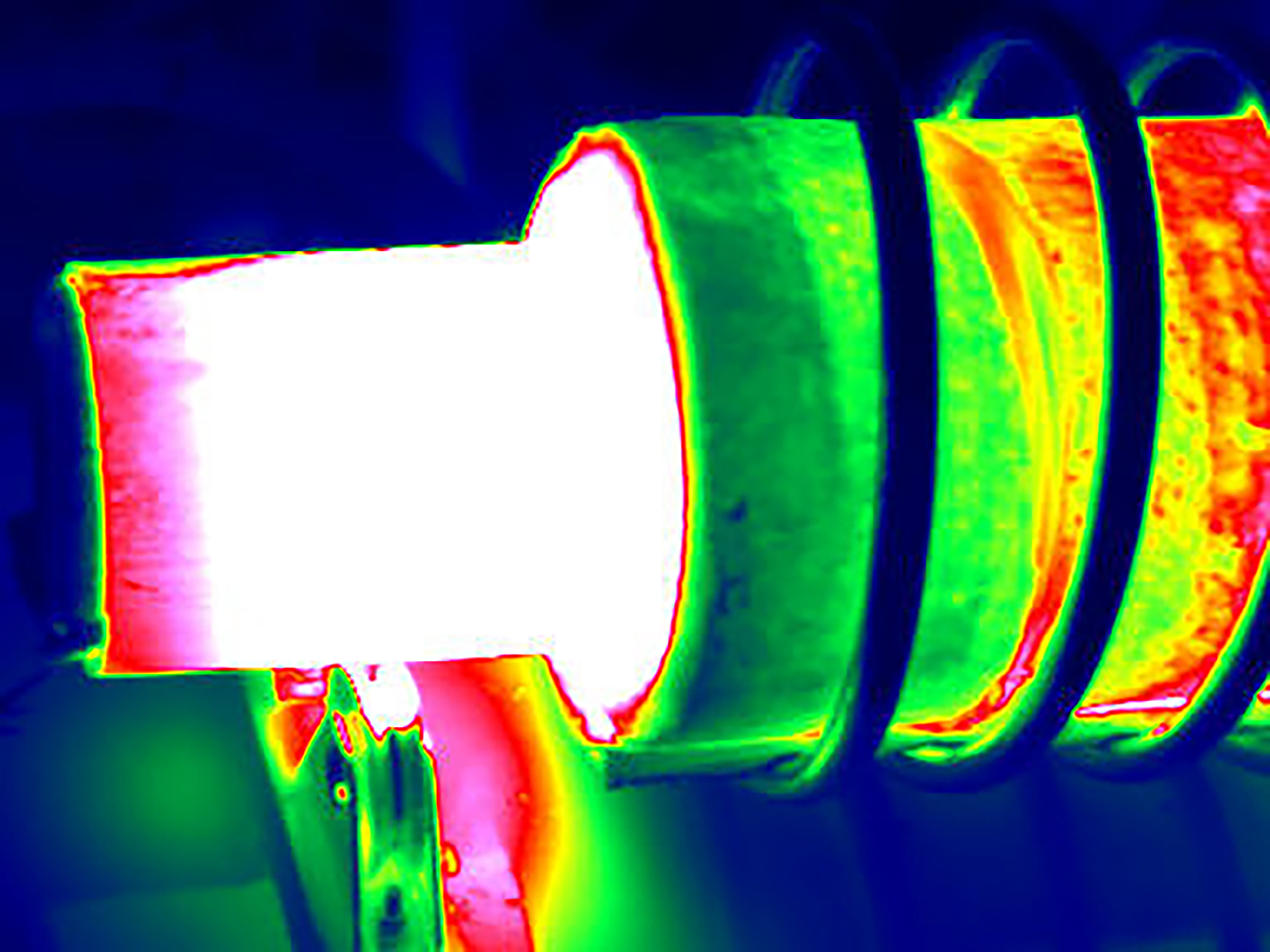
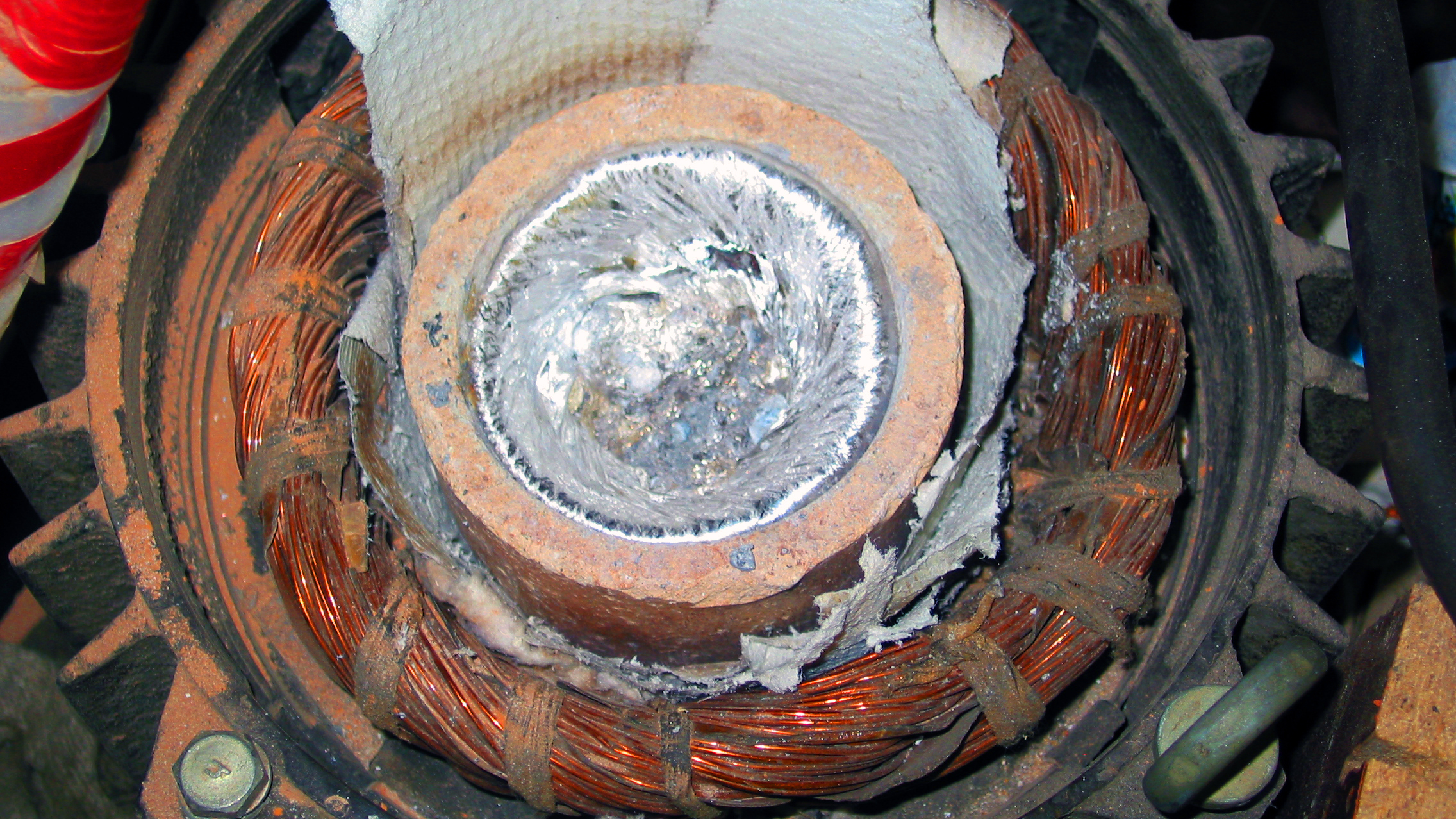
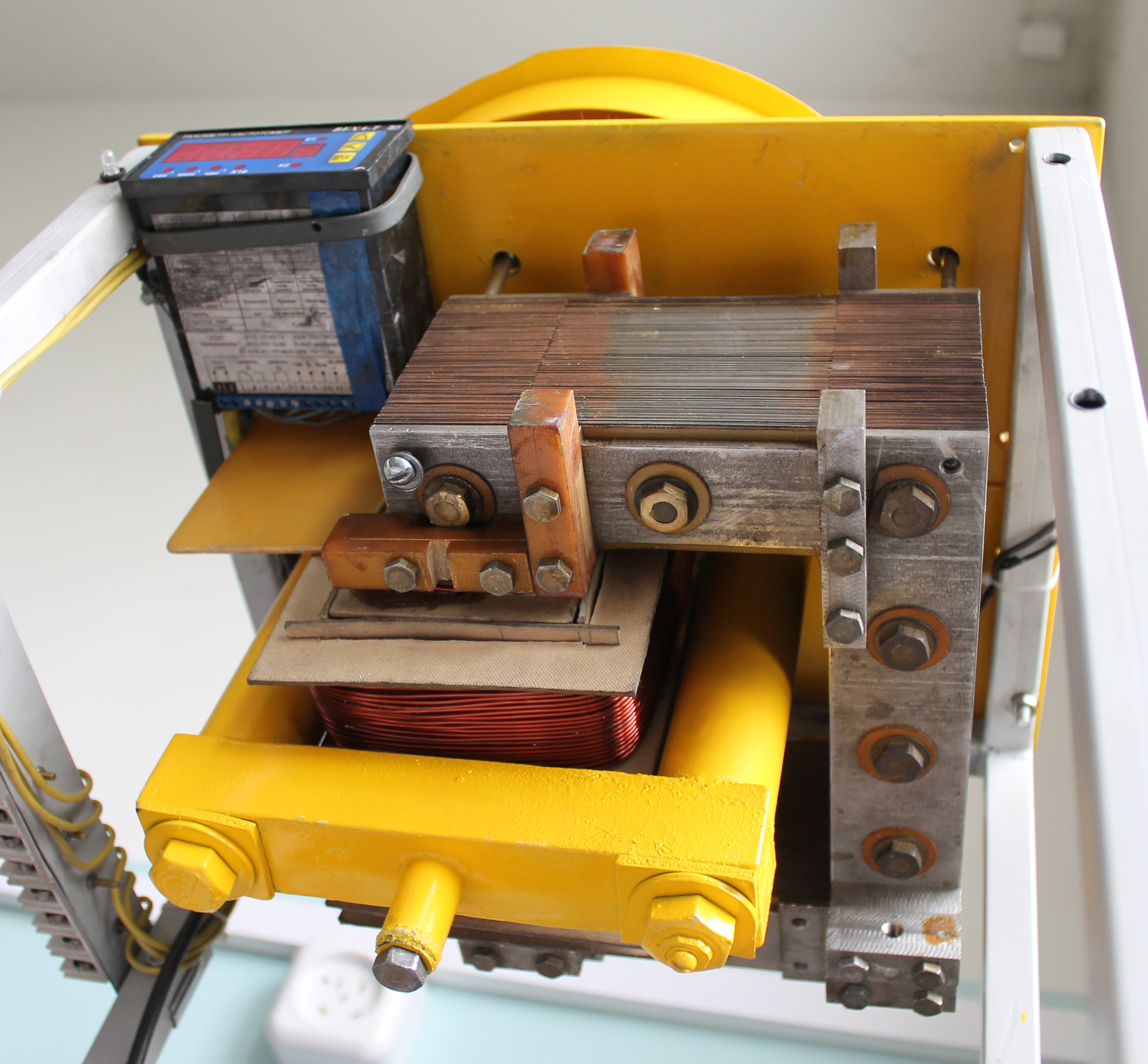
Our experience, laboratory base, technical capabilities, in-house production, and design bureau enable full implementation coverage for innovative developments, including mock-ups, models, laboratory, experimental, prototype, and pilot-industrial samples. Sample creation includes preparing reporting and technical documentation to ensure technology maturity assessment through appropriate readiness levels.



IP support and patent filing
Our team has extensive experience in registering and protecting intellectual activity results. We are ready to provide you with qualified assistance in preparing and supporting patent applications.
R&D organization and conduct
Our specialists are ready to organize and execute every R&D stage, from idea to implementation.
When working on R&D, we follow these stages:
- Production problem analysis, task setting and solution approaches.
- Technical council meeting and project team formation.
- Determining the funding source (enterprise investment budget, external orders, research support programs, Start-UP project funding programs).
- Planning and executing the project involving the project and research team:
- Conceptual design
- CAE modeling
- Designing a laboratory or prototype sample
- Experiment organization and conduct
- Determining technological modes and characteristics
- Industrial sample CAD and automated process control system development
-
Preparing design documentation
5. Issue oversight and IP protection measures.
6 .Implementation, operation analysis, upgrade
Conducting R&D with financial support from regional and federal funds:
- Krasnoyarsk Regional Fund of Science and Technology Support
- Foundation for Assistance to Small Innovative Enterprises (FASIE)
- The State Fund for Industrial Development of the Krasnoyarsk Territory
- Russian Science Foundation
- Russian Foundation for Basic Research
Basic research projects are implemented jointly with the team Polytechnic Institute of Siberian Federal University.
Training center
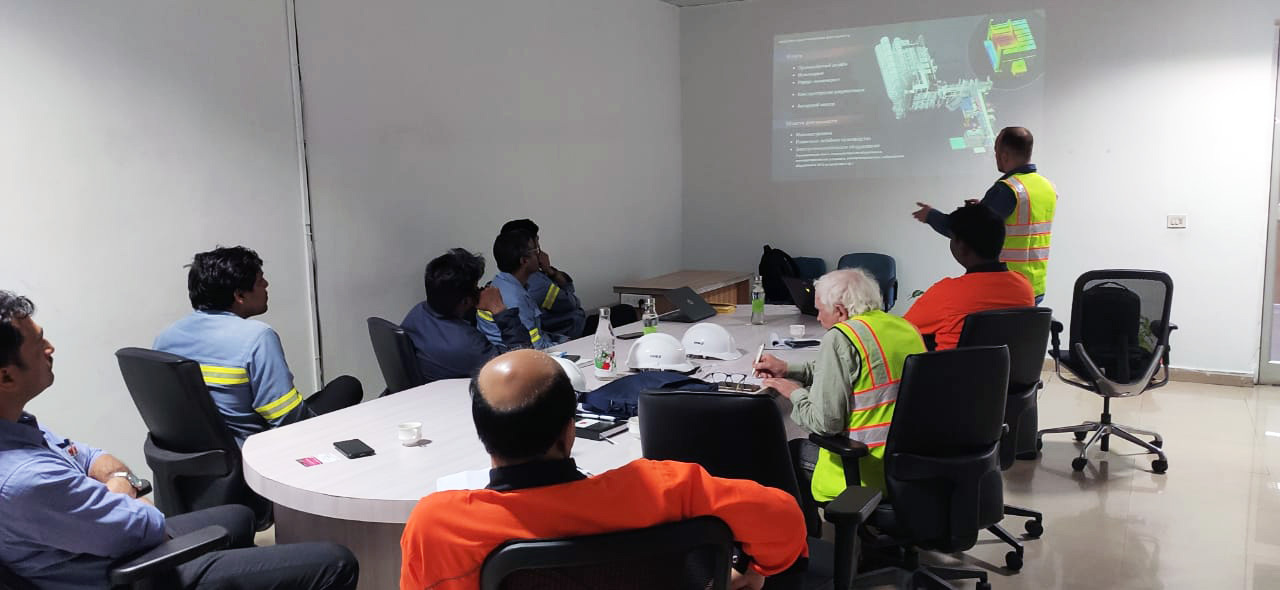
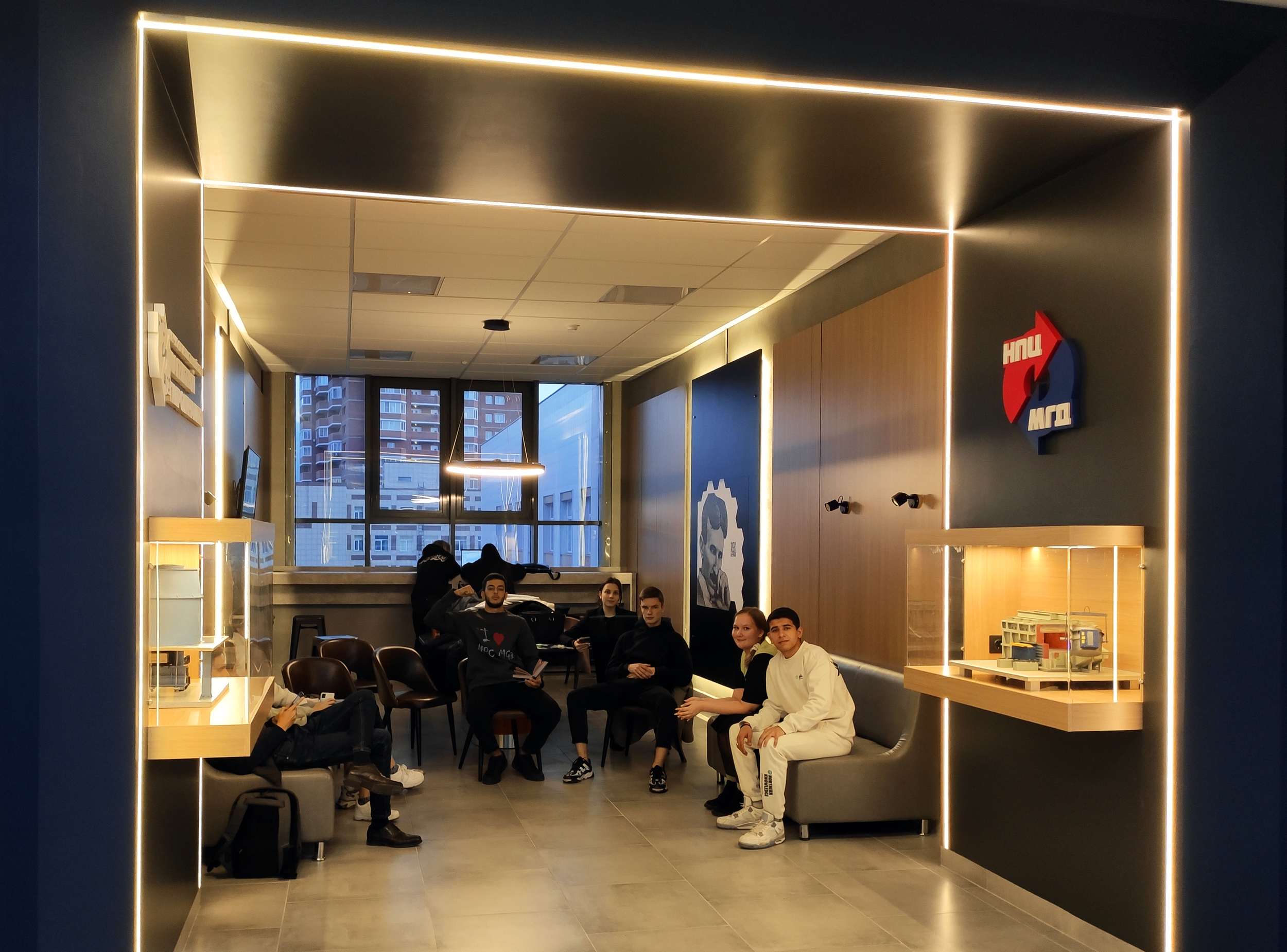
Personnel instruction and training
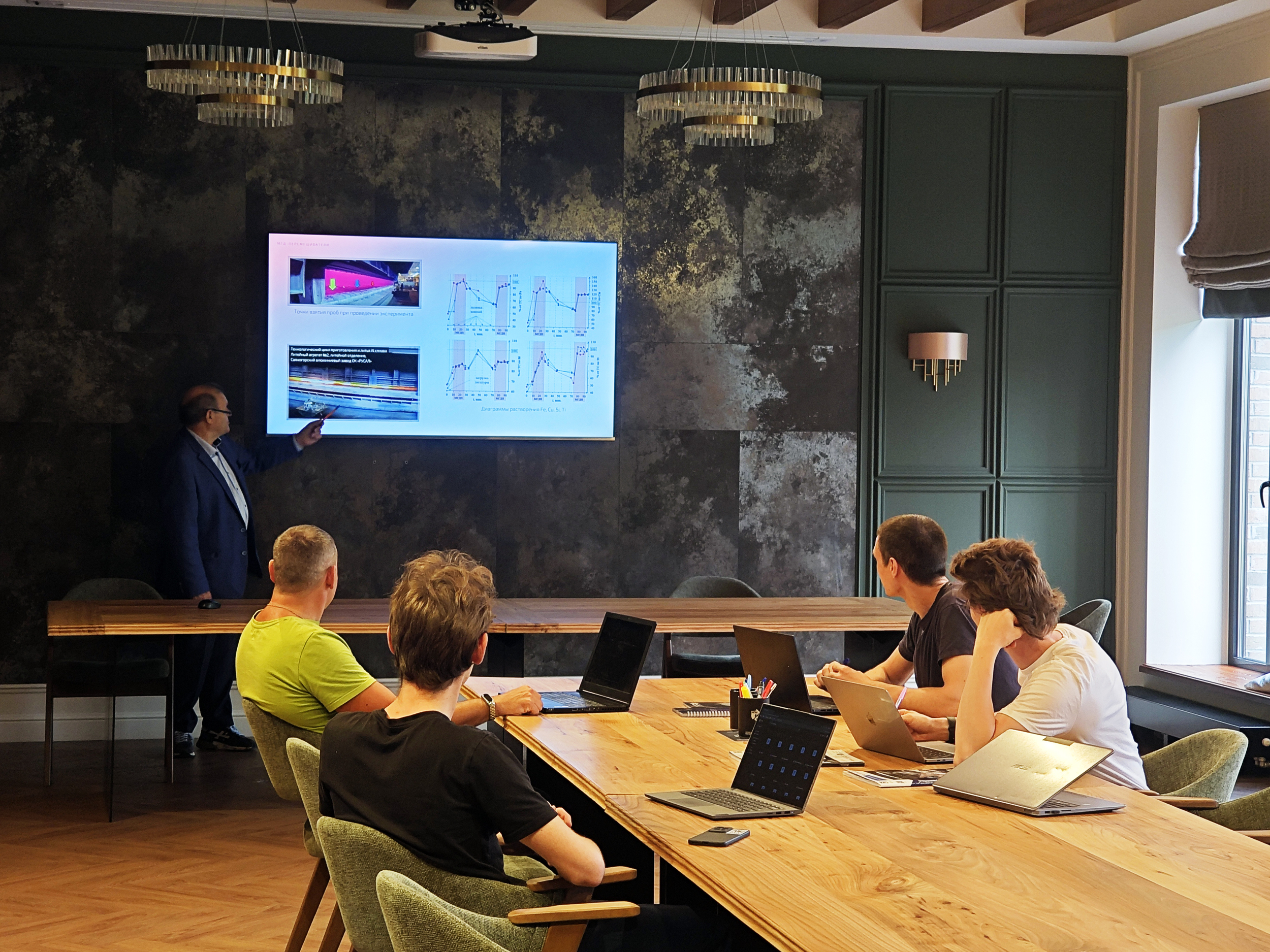
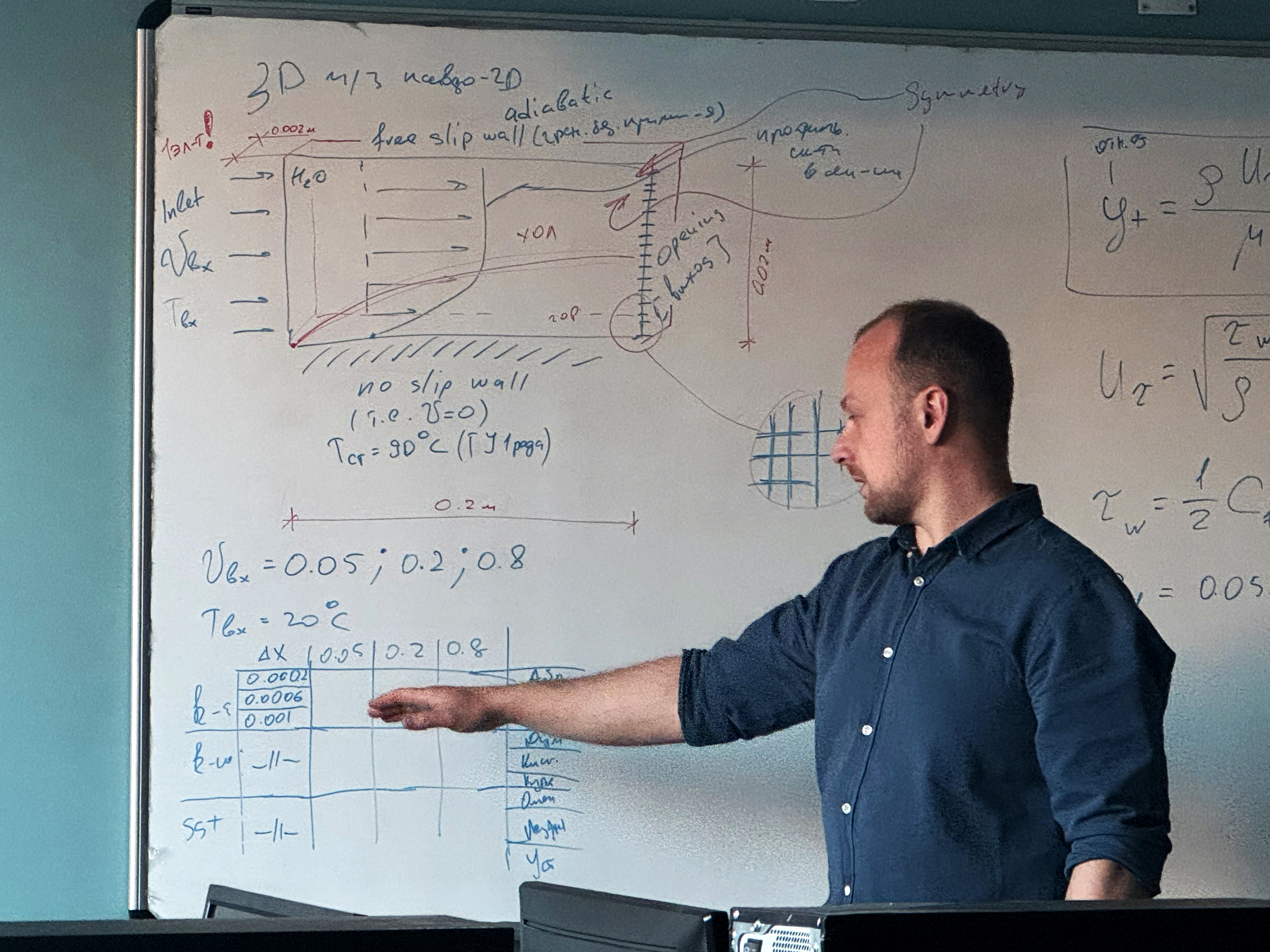
As specialists in applied magnetohydrodynamics and creators behind unique technologies and devices, we instruct and train blue-collar and engineering-technical personnel at industrial enterprises on applying, implementing, operating and maintaining electrotechnological equipment, as well as on modeling, design and automation.
Higher education
On the initiative of the company's employees, in 1995, a department of "Electrotechnology and Electrical Engineering" was organized at KSTU (since 2006, the Polytechnic Institute of Siberian Federal University) (since 2020, "Electrical Engineering"). Currently, in partnership with the Polytechnic Institute of Siberian Federal University, our specialists participate in personnel training in the following areas: 13.03.02 "Electric Power Industry and Electrical Engineering" (bachelor's degree, profile Electrotechnologies and profile Electric Drive), 13.04.02.07 "Electrotechnologies in Metallurgy" (master's degree), 2.4.2 "Electrotechnical Complexes and Systems" (postgraduate studies). Over the years of joint work, more than 1000 specialists, more than 20 Candidates of Sciences, and 4 Doctors of Sciences have been trained. Details…
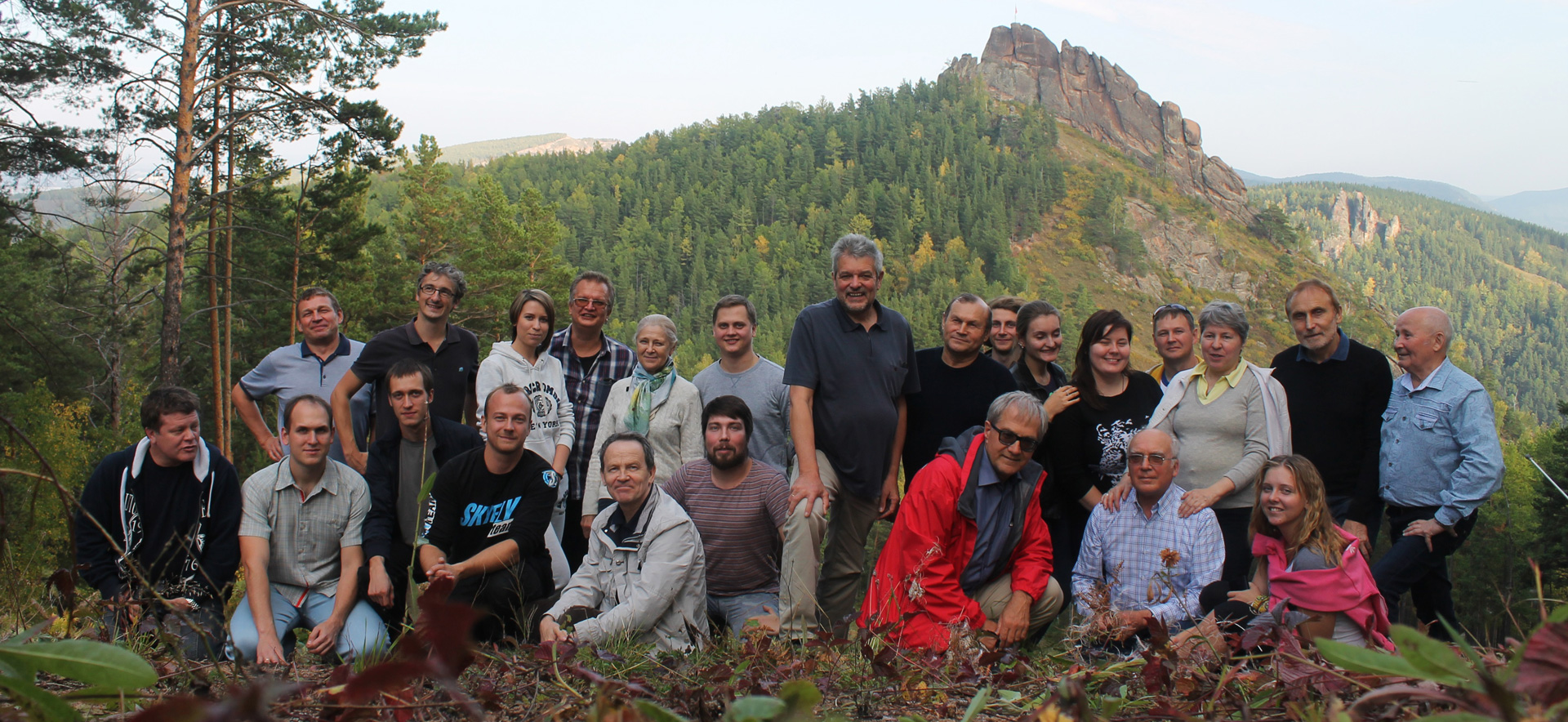
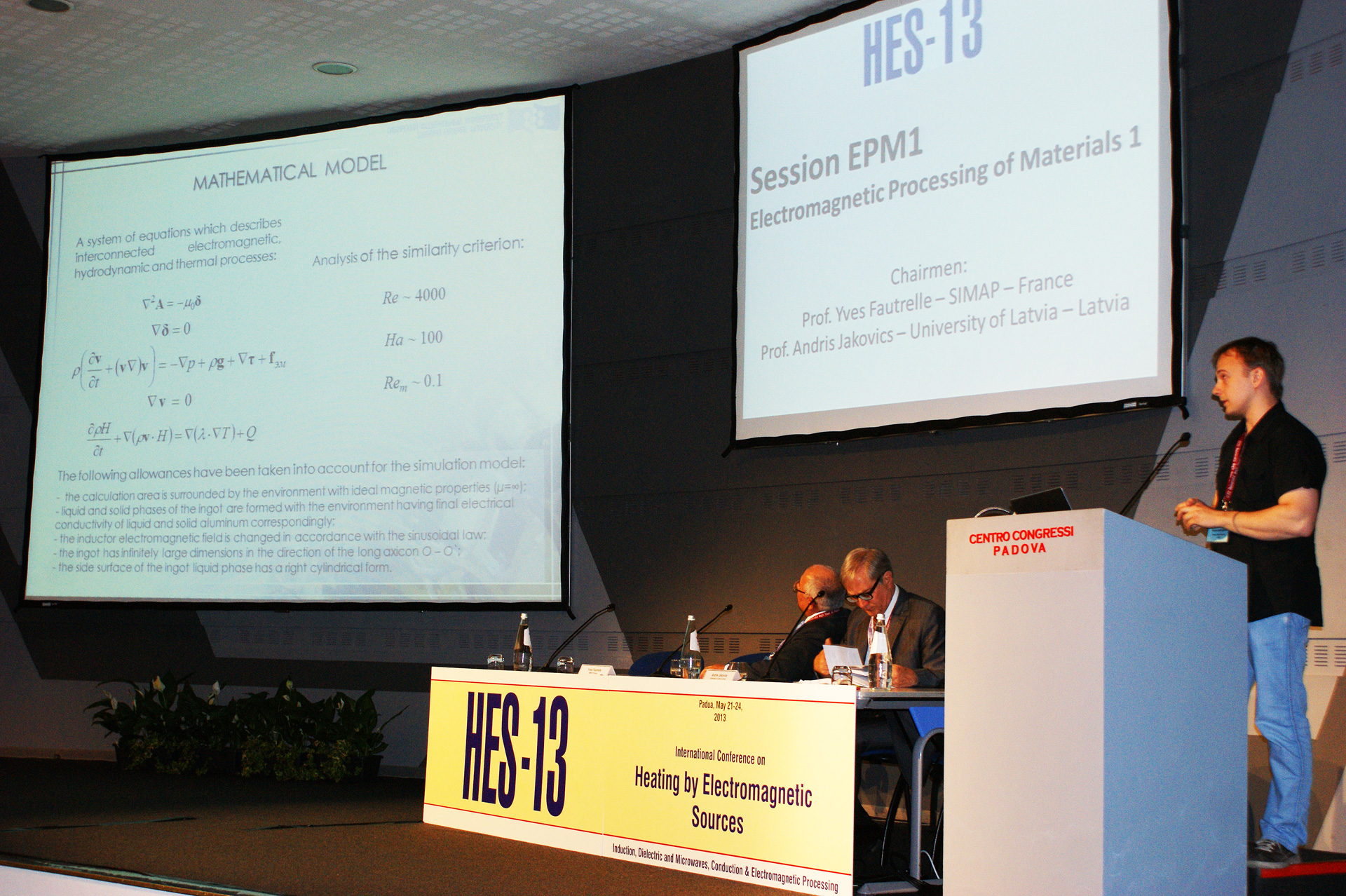
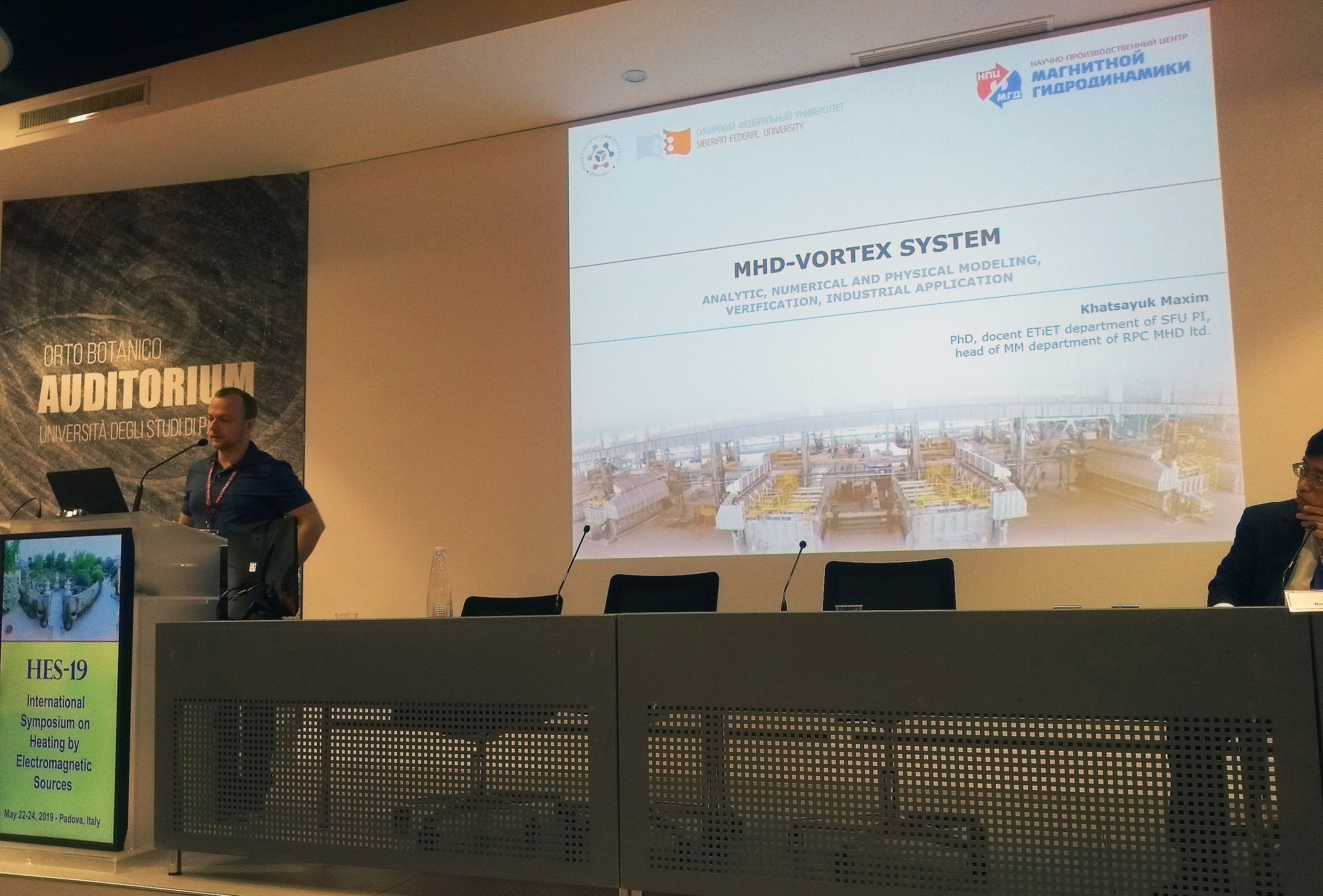
Scientific and educational events
The company has repeatedly initiated and organized international scientific and educational events in cooperation with leading global specialists and research centers in applying electrotechnologies and applied magnetohydrodynamics.
Electrotechnological laboratory
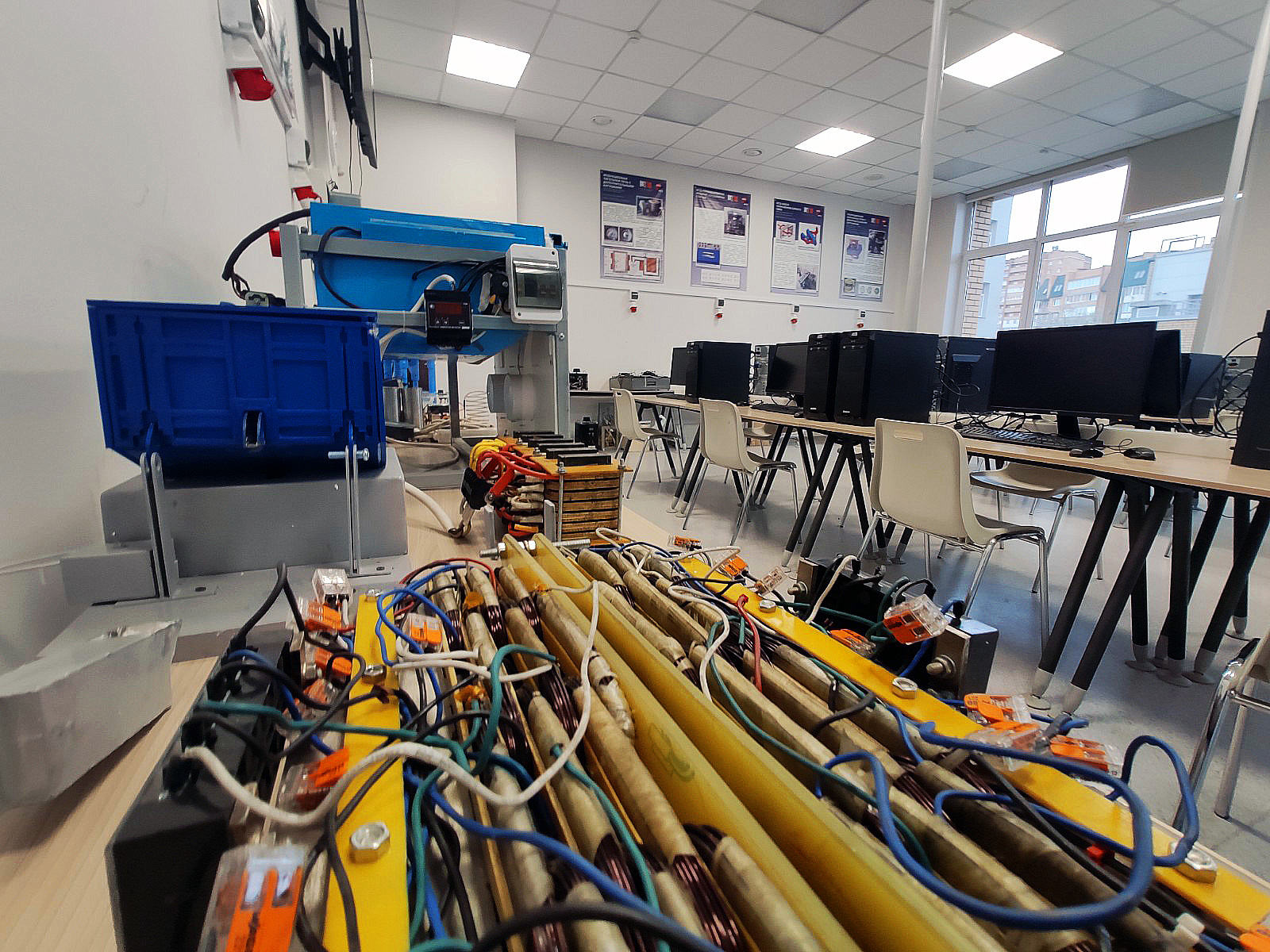
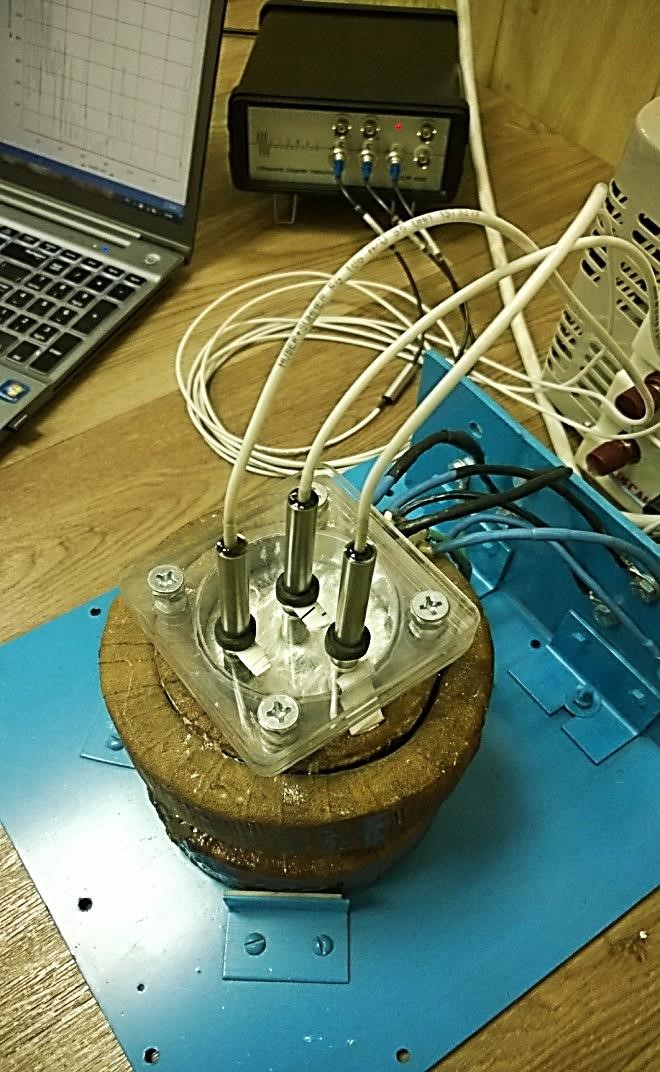
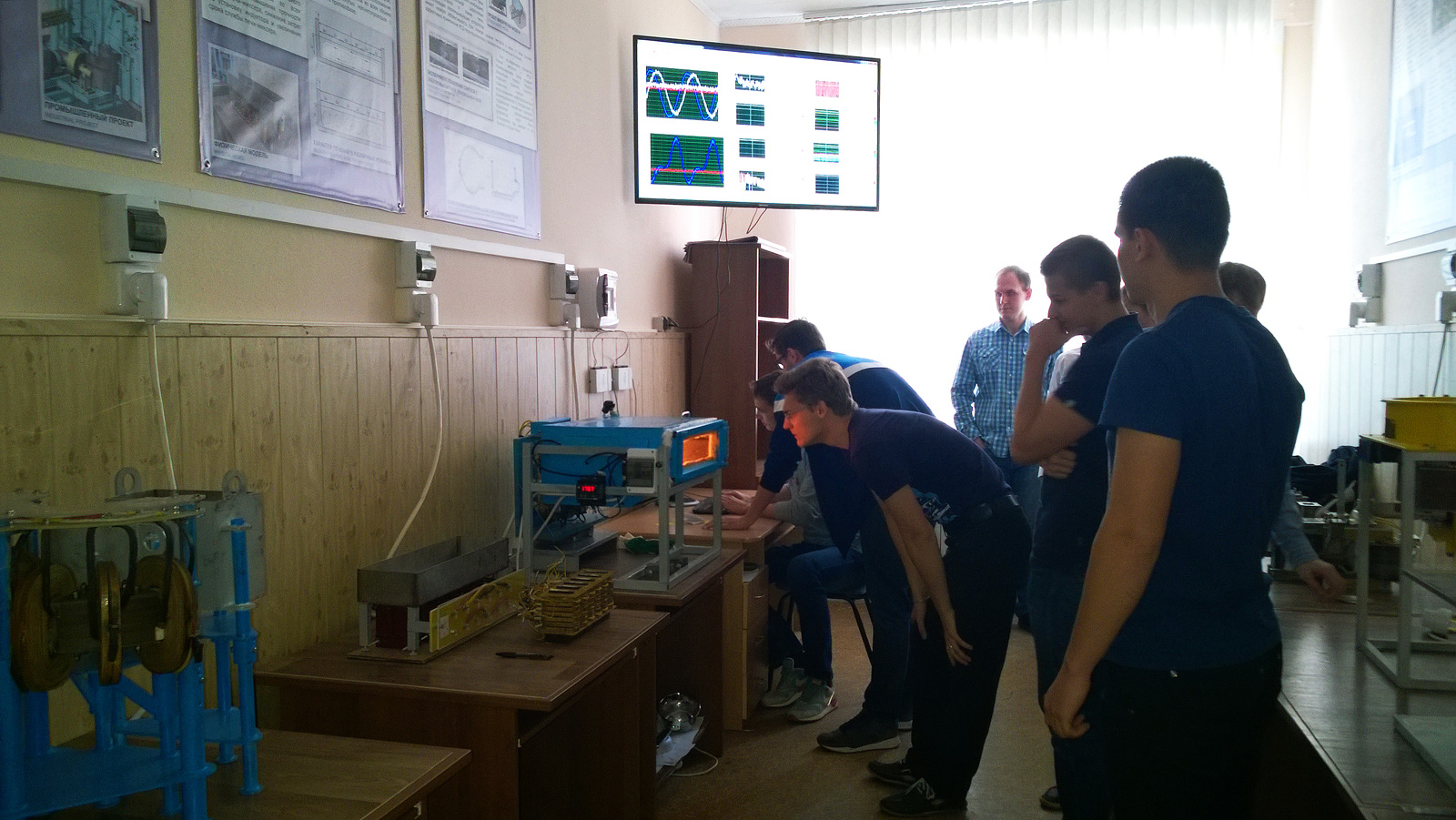
MHD Processes Laboratory
On September 15, 2016, as part of the international scientific and educational school "Electrotechnologies in Metallurgy," a training laboratory for physical MHD process modeling in metallurgy was opened. The laboratory allows conducting specialized research on MHD phenomena in various metallurgical devices, is equipped with a modern digital measurement system for electrophysical quantities and visualization, as well as a special measuring complex for ultrasonic Doppler velocimetry (UDV Technics) applied to liquid metal flow.
Small-scale production
Promising developments, before mass introduction into industry, undergo testing and debugging at the pilot-industrial site of LLC "RPC MHD". In particular, this site carries out small-scale production of original laboratory, pilot-industrial and industrial equipment.
At the laboratory and training center, special training courses and consultations are conducted for operational and engineering personnel of industrial enterprises.
Testing laboratory at the production site
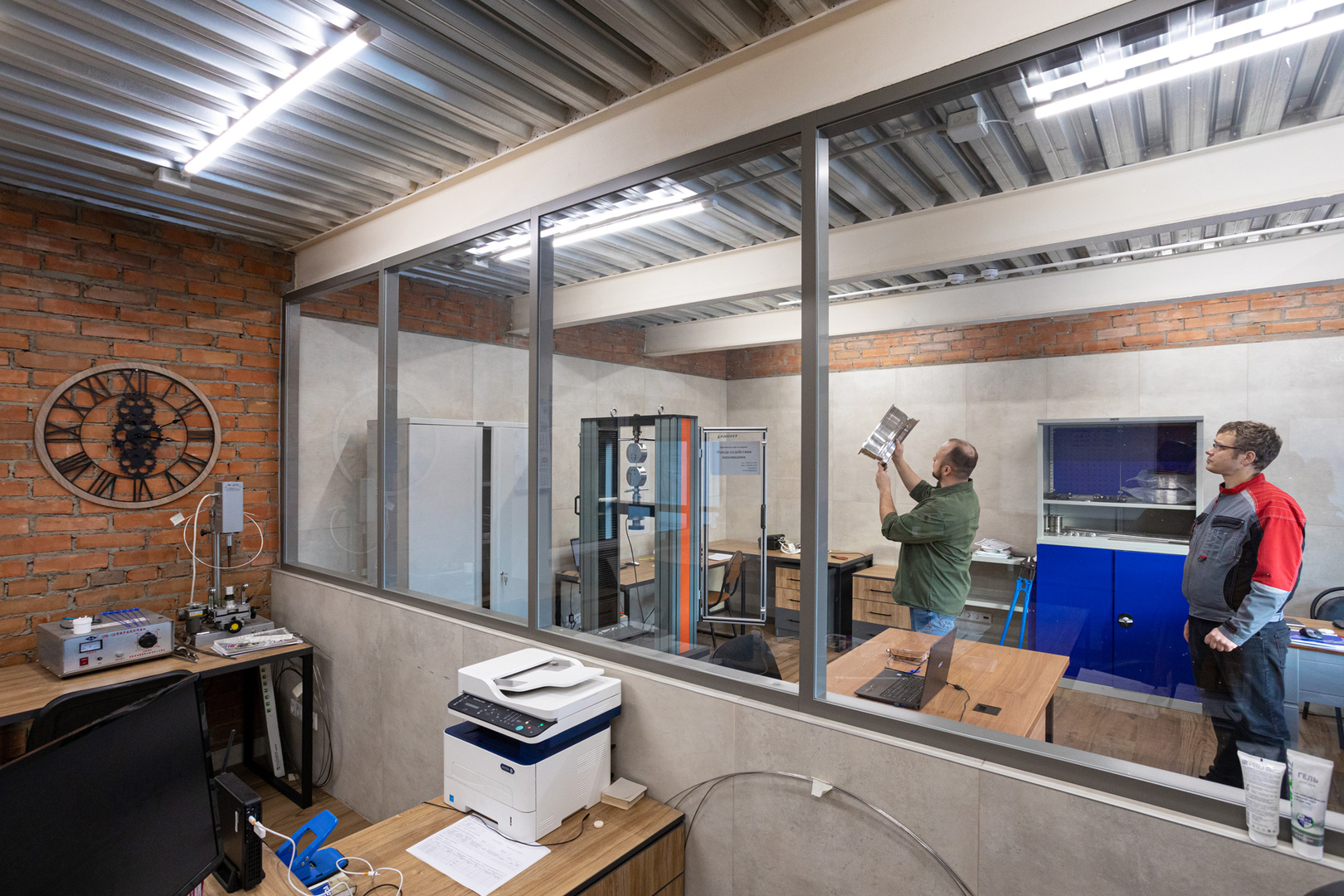
The testing laboratory allows conducting mechanical tests, chemical composition analysis and metallographic studies using the following equipment:
- Optical emission spectrometer S5 Solaris CCD Plus GNR NordThe spectrometer is equipped with an open spark stand able to analyze non-standard shape samples, both small and large (up to 20 kg).
The spectrometer is calibrated for all aluminum alloy groups and ensures operation in all possible standard working ranges on an Al basis. The company has European-origin standard samples, ensuring high convergence in analysis results. - Universal testing machine Metrotest REM-A-20-1-2
The REM-20-A testing machine is equipped with an automated control system for mechanical testing processes. It allows static tensile and compression tests to determine mechanical properties for materials with a breaking load up to 20 kN. - Inverted metallographic microscope MAGUS METAL V700
The microscope allows studying microstructures in metals, alloys and other opaque objects weighing up to 2 kg in reflected light using brightfield and polarized light methods, as well as digitizing observations thanks to two independent visualization channels. - Metal science specialists