Spatial and frequency-temporal distributions study influence of electromagnetic forces in the melt on the EM processes in liquid metal nature, 2018-2019
Spatial and frequency-temporal distributions study influence of electromagnetic forces in the melt on the EM processes in liquid metal nature, 2018-2019
Application areas
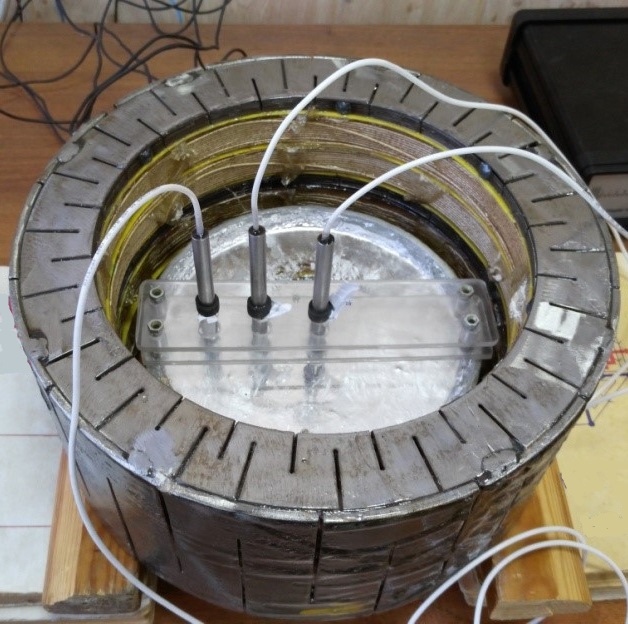
This fundamental project aims to expand our understanding of thermohydrodynamic processes in liquid metal in the presence of a pulsating, running, or rotating electromagnetic field (EMS phenomena), taking into account free surfaces and phase transitions. The work, in turn, has significant practical implications for the metallurgical industry, as the results obtained can form the basis for improving and creating new magnetohydrodynamic (MHD) equipment, technological processes, and related products.
Investment
4 000 000 руб. (approx. 47 000 USD)
Implementation period
2018 - 2019
Project status
Completed
Results
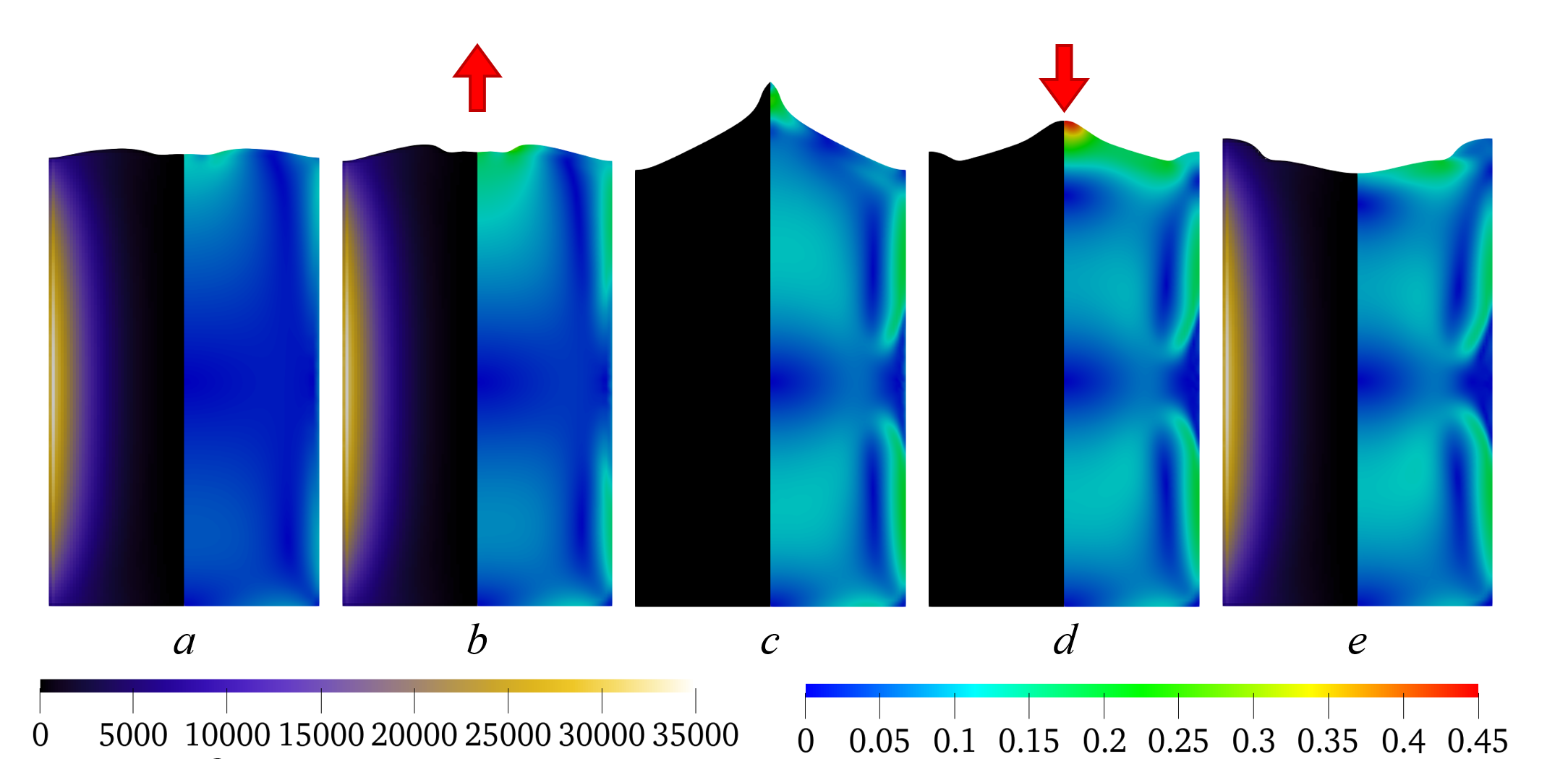
These studies allowed us to assess the potential for resonant phenomena in liquid metal exposed to a pulsed electromagnetic field. Modeling of the free surface and phase transitions revealed their direct and inverse relationships with the hydrodynamic flows formed as a result of electromagnetic exposure. This is particularly important when studying equipment operating modes in metallurgical production, where process evaluation is limited (due to high temperatures) to monitoring the free surface of the liquid metal. These results, in turn, allowed us to formulate recommendations for the design of new types of EMS devices. The resulting generalized results of studying the physical fields associated with EMS processes, as well as the analytical patterns and expressions, have allowed us to expand our understanding of EMS phenomena in liquid metal and are of practical value to engineers and research engineers in this field. Algorithms, programs, and application models necessary for research and development, as well as for educational activities in the fields of electrical engineering and electrical machines, have been developed. The main results have been published in leading peer-reviewed domestic and international journals.
Project partners
The project was implemented with financial support from the Krasnoyarsk Regional Science Foundation, the Russian Foundation for Basic Research, and the Scientific and Production Center of Magnetic Hydrodynamics.
Siberian Federal University.
  |